Home
/
news
/
Australia’s Senate Hearing Exposes the VIP Playbook Behind Sportsbet and Tabcorp Denials
news
Australia’s Senate Hearing Exposes the VIP Playbook Behind Sportsbet and Tabcorp Denials
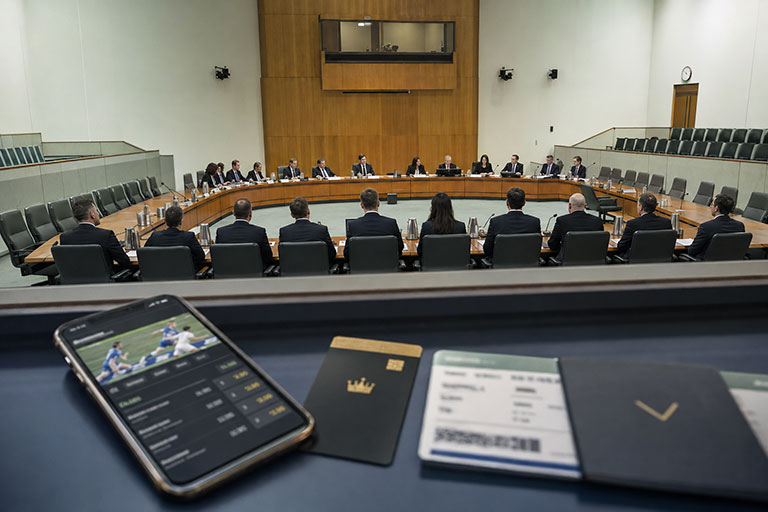
Sportsbet and Tabcorp have denied allegations that high-value customers were supplied with drugs, escorts, alcohol, or other improper benefits to keep them betting. The claims are unproven, but the hearing has put a familiar high-risk issue back on the table: when VIP relationships are private, regulators need a way to reconstruct the actual commercial incentives behind them.
- The allegations were raised on 3 and 4 August during an Australian Senate inquiry into the Gambling Reform Bill 2026. They came from former National Rugby League player Luke Bateman and anti-gambling campaigner Tim Costello, and they remain allegations rather than findings — no regulator or court has established that Sportsbet, Tabcorp, or any other named operator engaged in the conduct described.
- Bateman told the inquiry that an unnamed gambling company had offered him extensive hospitality while he was losing heavily. Reporting from the hearings says he alleged that drugs and alcohol were present at a private Gold Coast event involving customers and senior industry figures. He reportedly said he earned about A$400,000 a year, lost approximately A$1 million, and accumulated debts exceeding A$250,000. The operator was not identified in the public reporting, which matters: without that, the claim cannot be pinned to a named company.
- Costello raised a separate case involving a customer who allegedly turned over more than A$20 million a month. He reportedly named TAB, Sportsbet and The Star casino, and described benefits said to have included accommodation, escorts, drugs and bonus bets. Sportsbet told the committee it had no evidence supporting the claims and would not tolerate such conduct. Tabcorp said drugs, sex workers and alcohol were not part of its customer offer.
- The useful part for payment and risk teams is not the headline allegation itself, but the mechanism it points to: VIP managers operate inside private relationships where marketing, hospitality, customer welfare, and revenue retention overlap. The public sees the offer; the internal approval trail, staff targets, and customer-risk flags are the part that decides whether the relationship is defensible when regulators ask questions later.
- The hearing’s bigger problem is evidentiary. If an independent regulator cannot reconstruct every benefit, conversation, and commercial incentive around a high-value customer, then the relationship is effectively governed by the operator’s own records and recollection. For PSPs, acquirers, and partner banks, that is the point where “we had controls” stops being a comfort and starts being a document request.
Related news
All news →


Weekly high-risk digest
Regulation, sanctions and payment news across your verticals — once a week, free.
Please check your inbox and click the link to confirm your subscription.
Please enter a valid email address!