Lula’s government is set to criminalize betting operators and ads in Brazil, with prison terms of up to six years
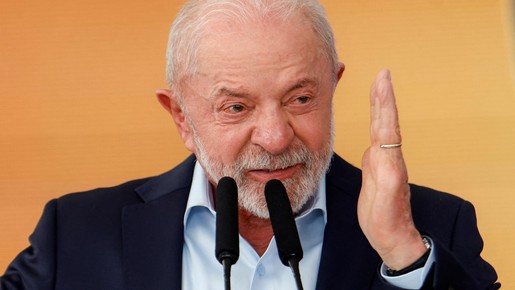
President Luiz Inácio Lula da Silva’s government is expected to send Congress a bill that would make operating fixed-odds online betting in Brazil a criminal offense, even when the operator holds foreign authorization. The draft also targets advertising and marketing for bets — the kind of move that matters to PSPs, acquirers, and media partners because it turns payments and promotion from a licensing question into a criminal-risk question.
- The bill, prepared by the Ministry of Justice and Public Security, creates a specific crime for anyone who explores or operates fixed-odds betting in Brazil. The proposed penalty is four to six years in prison, plus a fine.
- The text says the offense covers those who “offer, receive, record or intermediate” fixed-odds bets, as well as those who “make available, maintain or administer” a fixed-odds betting setup, whether physical or online. It also says the penalty can be increased by one-third if the bet involves a “virtual online game event.”
- The proposal does not stop at operators. It also предусматривает prison terms of two to four years, plus a fine, for anyone who carries out advertising, propaganda, commercial promotion, or marketing aimed at encouraging betting. The same applies to those who recruit or refer bettors, or who sponsor, boost, or monetize betting-related ads or marketing in any way.
- According to the report, Lula is due to sign the bill on Friday as part of a broader package against betting. He is also expected to announce a provisional measure that would prohibit bets in the country immediately, while the criminalization bill would still need approval from the Chamber of Deputies and the Senate.
- The timing is political as well as regulatory: the announcement is expected nine days before the first round of elections, and Lula has recently hardened his language on sports betting, saying in Recife that it is not right to spend money one does not have to try to win what does not exist.
For high-risk payment providers, the important bit is not the rhetoric. If this draft advances as written, Brazil would move from a licensing-and-compliance issue to a regime where both the operator and the people who help it sell or process the product can face criminal exposure.
Related news
All news →
Mastercard and BVNK Launch Global Money Platform for Fiat and Stablecoin Transactions

Skyfire and Forter expand AI agent checkout fraud controls as agentic orders quadruple since August

DGOJ reviews Spain’s online gambling rules, including cross-operator deposit limits, at Gaming in Spain Conference 2026
Weekly high-risk digest
Regulation, sanctions and payment news across your verticals — once a week, free.
Please check your inbox and click the link to confirm your subscription.
Please enter a valid email address!