Brazil counts more than 60,000 records tied to illegal betting promotion as fake sites clone licensed brands
Brazil’s Ministry of Justice has identified 60,677 records linked to irregular betting promotion since the federal government banned fixed-odds betting on 25 September 2026. For PSPs and high-risk operators, the useful detail is not just the takedown count: the underground market is now mixing brand impersonation, social media distribution, and influencer traffic to keep acquisition moving after the ban.
- A survey published by Marcel Rizzo in Estadão says fake sites are copying the visual identity of well-known betting brands that left Brazil after the measure, including Betano, Bet365 and Novibet. The copies reproduce logos, color palettes and the look and feel of the original sites, but they run on different addresses from the official
.bet.brdomains. - In some cases, the fake pages even claim that the platform has resumed operations in Brazil, which is a neat little fraud trick: if a user thinks the brand is back, the domain mismatch becomes less obvious. Before the federal government’s prohibition, 188 brands were authorized to operate in the country.
- The Ministry of Justice expanded enforcement beyond registered domains. Between 25 September and early November 2026, it logged 60,677 records associated with irregular betting promotion across websites, pages, social media profiles and groups in messaging apps.
- The crackdown also reached influencers. The ministry requested the removal of 348 Instagram profiles used to promote illegal betting platforms, and those accounts together had more than 150 million followers. For acquisition teams, that is a reminder that traffic sources can be pulled into the compliance perimeter very quickly, not just the domains themselves.
- The clandestine market is operating on two tracks: first, previously authorized operators are being accessed through international domains outside the government-recognized namespace; second, irregular sites are borrowing the brands of companies that have already shut down in Brazil. The promotion is happening through sponsored ads on social networks and links shared in messaging groups.
One practical detail from the report: 1xBit, which was not among the brands authorized to operate in Brazil, allowed registration and betting to be completed in less than two minutes, without VPN or any other tool to bypass the block. On Monday (16/11), other illegal sites were also still accessible on both computer and mobile in Brazil.
Related news
All news →
Court rulings involving online betting platforms in Brazil jump 122% before MP 1.394 ban
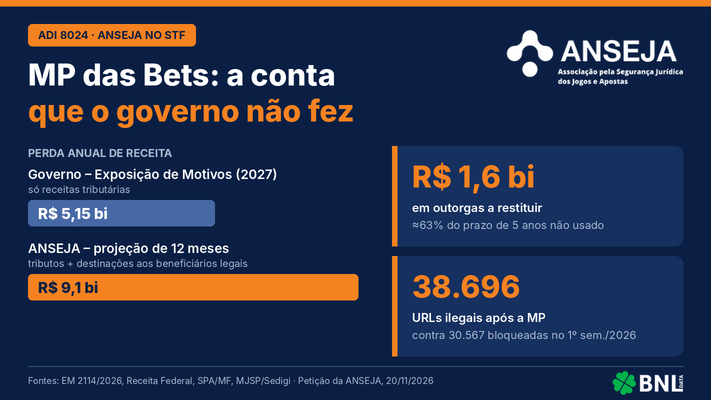
ANSEJA uses AGU’s own data to argue in Brazil’s Supreme Court that the Bets MP made the illegal market grow
Loterj prepares criminal complaint against RioPag over origin of R$ 16.5 million payment
Weekly high-risk digest
Regulation, sanctions and payment news across your verticals — once a week, free.
Please check your inbox and click the link to confirm your subscription.
Please enter a valid email address!