Michigan Gaming Control Board targets 33 offshore gambling operators with cease-and-desist letters
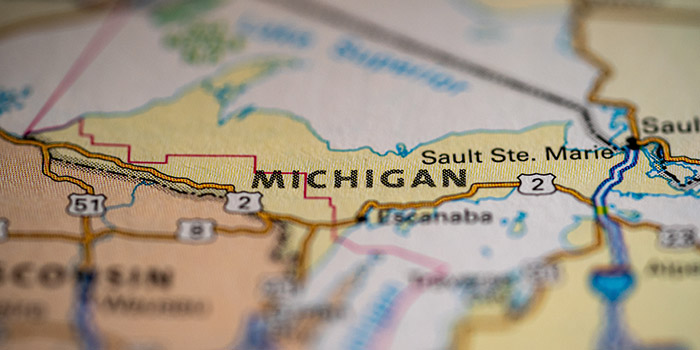
The Michigan Gaming Control Board (MGCB) has moved against 33 offshore operators offering online sportsbooks, casinos, and sweepstakes platforms without a state license. For PSPs and operators, the message is straightforward: Michigan is treating unlicensed traffic as a live enforcement issue, not a theoretical compliance footnote.
- The MGCB said it sent cease-and-desist letters to 33 offshore operators after finding they were offering gambling to Michigan residents without the required state license. The list includes Azartzona Casino, Basepoker, BingoMania, BitofGold, Cryptoplay, Del Oro Casino, Detective Slots, Donbet, Exclusive Casino, Genie Jackpot, Guangzhou Snail Interactive Technology Co., Ltd., Immersion Casino Online, iWild Casino, JacksPay, Jurassic Slots, L0tt0, Lucky Charm Sweep, Lucky Rebel, Magicianbet, mBit Casino, Odds Maker, Raging Bull Slots, Regal Casino and Sportsbook (also known as Wager Street), Ronin Slots, Runewager, Slot Paradise, Sloto Tribe, Sloto’Cash Online Casino, Spin Dinero, SpinsTopia, Stardust, SunnySpins Casino, and The Online Casino.
- According to the regulator, the core problem is not just licensing formalities. The MGCB said unregulated operators do not follow the safer gambling standards expected of regulated businesses and do not offer self-exclusion, which leaves players without the protection framework Michigan expects licensed platforms to provide.
- Henry Williams, executive director at the MGCB, said offshore sites “don’t respect” self-exclusion and can still take a deposit from someone who has asked for help. He added that the MGCB has no way to help that person recover the funds, and that the 33 letters put operators on notice that Michigan residents are “not an untapped market.”
- The MGCB said recent studies suggest offshore gambling is increasingly common, with an estimated $673.6 billion being wagered on such platforms every year. The agency also noted that many players do not realize these sites are illegal, which is why it urged residents to check the legality of a service at Michigan.gov/MGCB and to report illegal gambling websites by email or through its anonymous tip line.
For high-risk businesses, the practical takeaway is plain: Michigan is signaling that offshore acceptance of local play, especially without self-exclusion controls, is enough to trigger enforcement attention. If your flow touches Michigan residents, the licensing status is not something to “sort out later.”
Related news
All news →
Paraná’s LOTTOPAR Documentary Says Video Lottery Is Not a Slot Machine

NFL files 32-page amicus brief with the US Supreme Court on sports prediction market integrity

Carlos Menendez says merchants entering Brazil, India and Kenya ignore local payment rails at their own conversion risk
Weekly high-risk digest
Regulation, sanctions and payment news across your verticals — once a week, free.
Please check your inbox and click the link to confirm your subscription.
Please enter a valid email address!