Iran Legalizes Crypto Payments for Goods as Exporters Get More Room to Use Hard Currency
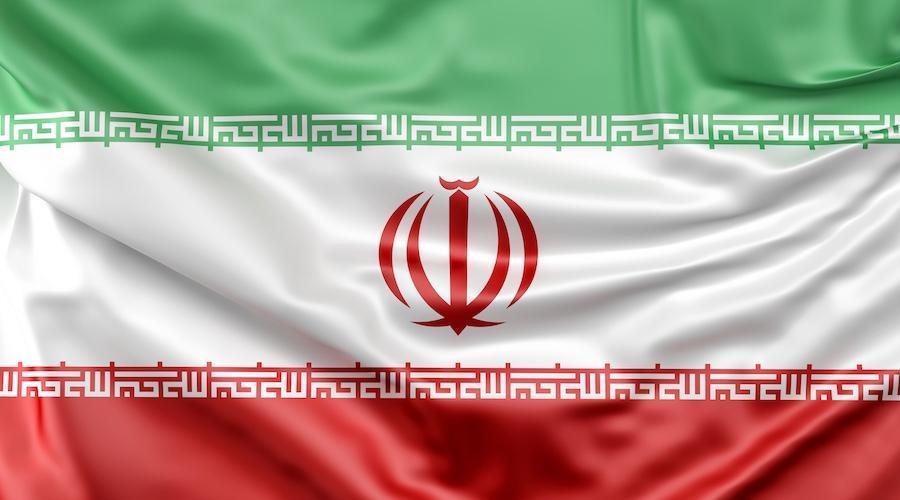
Iran has changed course on crypto payments: exporters can now use their foreign-currency proceeds more freely, including to finance imports directly instead of routing everything through the state exchange platform. For high-risk PSPs and crypto operators, the detail that matters is simple: the central bank is loosening control over settlement flows while also easing pressure on crypto exchanges.
- Under the new rules, Iranian businesses are no longer forced to convert all foreign-currency export revenue through the government platform at the official rate, which traders said was often far below market levels. The previous system also did not allow crypto-to-fiat exchange on the state platform, and BTC and USDT payments were treated as a way to bypass currency controls, with criminal penalties attached.
- The updated framework lets exporters dispose of export proceeds more freely and directly finance imports without going through the official foreign-exchange system. According to the Financial Times, this is a meaningful shift for a market where the state had tried to keep tight control over settlement channels.
- The “Association of Digital Transformation of Iran” told the FT that the central bank has effectively stopped insisting on strict enforcement of the old currency rules and has loosened oversight of crypto exchanges. In other words, the regulator is backing off the hard line it previously took on digital assets as a settlement rail.
- Iranian companies have accumulated more than $100 billion in undeclared income, according to people cited by the newspaper, because many exporters do not want to exchange revenue at the unfavorable official rate. That has cut budget revenues, with state oil and gas companies among the biggest debtors to the treasury.
- The timing is not accidental. The FT says Iran is under pressure from the loss of oil export revenue, difficulties in payments, and U.S. actions around the Strait of Hormuz. The IMF forecasts that Iran’s GDP could fall by 5.4% this year, which would be the worst result in 40 years, since the war with Iraq.
For crypto and payments firms, the operational signal is clear: Iran is moving toward a more permissive stance on digital assets in settlement, but the environment remains shaped by sanctions, blocked reserves, and direct U.S. enforcement. In mid-July, Tether froze more than 130 million USDT in wallets linked to Iran’s central bank; in April, it blocked 344 million USDT tied to Iran at the request of U.S. authorities. U.S. Treasury Secretary Scott Bessent said U.S. authorities had seized nearly $500 million in Iranian crypto assets.
Related news
All news →
Italy’s Banca d’Italia orders mandatory sanctions screening for crypto transfers

Playtech says Evolution-commissioned Spectrum report corroborates Black Cube claims on prohibited markets

Gaming in Germany Conference 2026 publishes initial agenda on regulation, offshore enforcement, and new products
Weekly high-risk digest
Regulation, sanctions and payment news across your verticals — once a week, free.
Please check your inbox and click the link to confirm your subscription.
Please enter a valid email address!