Russia launches the digital ruble, opens crypto rules, and adds self-exclusion for gambling on 1 September
Russia moved three payment and compliance levers at once on 1 September: the digital ruble went live, new crypto rules took effect, and gamblers got a state self-ban option. For PSPs, acquirers, and high-risk merchants, the practical question is less “what was announced?” and more “which flows are now mandatory, restricted, or easier to trace.”
- Under the law, Russia’s largest banks and their clients must accept the digital ruble from 1 September. That applies to companies with revenue above ₽120 million for the past year. Banks with a universal license and firms with turnover above ₽30 million have until 1 September 2027.
- Large Russian retailers are already preparing to accept the digital ruble, along with telecom operators, airlines, utilities, and other domestic businesses. A single QR code is also being rolled out so the digital ruble can be used alongside existing payment methods. Access to digital ruble accounts will be available through bank mobile apps and internet banking.
- A new crypto law also took effect on 1 September. Crypto is not becoming a substitute for the ruble; instead, it is being treated as an investment asset. Buying, selling, and storing crypto will be allowed only through organizations included in the Central Bank’s register. Crypto may be used for settlements with foreign business partners, and taxes must be paid on crypto gains.
- The source also says the legal crypto market could turn into a “market of tainted crypto” — digital assets that passed through addresses or platforms subject to international sanctions. For foreign counterparties, those assets carry high compliance risk, which is exactly the sort of thing that makes cross-border settlement desks reach for the aspirin.
- From 1 September, Russian users can also set a self-ban on gambling. The new state restriction covers casinos, betting shops, tote operators, and slot machines. Operators are prohibited from accepting bets from someone in the register, letting them enter gambling venues, giving them access to an account, or even sending them ads.
There is already a parallel private-sector version of this in Russia: ЦУПИС launched “Responsible Play” three years ago, allowing users to limit payments to bookmakers or block them entirely. Around 70k people used the system, and 25k set a full self-ban. The source says Russia still has 6.5 million active players, which gives the new state register some scale to work with.
Related news
All news →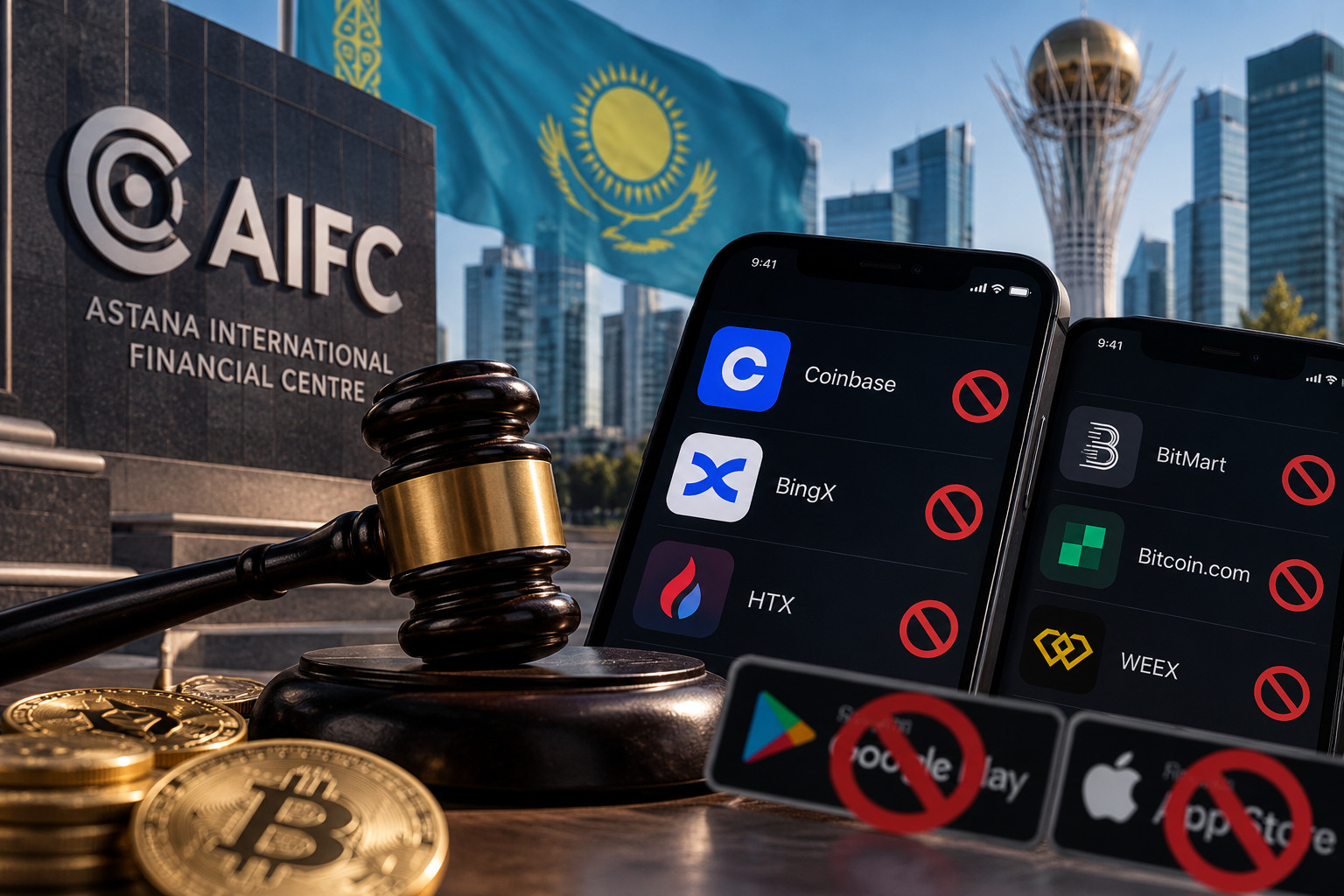
Astana IFC Court bans six crypto platforms from operating without a licence in Kazakhstan, with app store restrictions to follow

Ohio steps up enforcement against prediction markets over sports-related contracts
:strip_exif()/i.s3.glbimg.com/v1/AUTH_59edd422c0c84a879bd37670ae4f538a/internal_photos/bs/2026/d/6/MC6JuzTdedjHXc3TOOMg/globo-canal-4-20261019-2000-frame-94634.jpeg)
Willer Tomaz moved R$ 6.6 billion through bets in 18 months, Brazilian Apostas Secretariat says
Weekly high-risk digest
Regulation, sanctions and payment news across your verticals — once a week, free.
Please check your inbox and click the link to confirm your subscription.
Please enter a valid email address!