Ukraine’s Payment Processing Boom for Gambling Traffic Is Pushing More Volume Through Local Rails
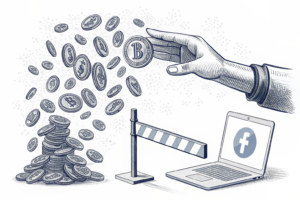
Internal payment processing for both illegal and legal gambling projects in Ukraine has reached a peak, with operators looking for cheaper ways to move money outside the regulator’s line of sight. For high-risk PSPs, the practical takeaway is simple: local rails, local traffic, and lower-cost routing are now part of the operator’s playbook.
- The article says the market for processing internal payments from gambling projects is peaking in Ukraine, including traffic from both illegal and legal projects routed around the regulator. The comparison is to the ruble processing market in 2023-24, when major players operated without traditional cash infrastructure.
- Playcity is described as trying to tax the market, but the source says connecting through providers such as betatransfer can be about twice as cheap as paying the “tribute” and drawing regulatory attention. The text also says the regulator often attempts to impose large fines, citing the Anna Alkhimova case.
- The article says traders are avoiding any links to +7 phone numbers, which it identifies with Russia and Kazakhstan, because law enforcement questions such connections. As a result, they are working only on local traffic, which the source presents as the most profitable and safest setup at the moment.
- According to the text, transfers via IBAN, miscoding, and bank-to-bank routes through Monobank or Privat show strong conversion both for deposits and payouts. In other words: the flow is not just moving, it is converting.
- The source also claims that this activity has produced a visible concentration of team leads, traders, and young people in expensive sports cars in central Kyiv and elsewhere, which it uses as a sign of the sector’s current scale.
For PSPs and acquirers in high-risk, the detail that matters is not the imagery; it is the routing logic. The source points to demand for local payment methods, local traffic, and settlement paths that avoid obvious cross-border signals, especially anything tied to +7 numbering.
Related news
All news →
Colorado sports betting tax revenue hits record $47 million as SB 26-131 tightens funding and marketing rules

Georgia launches international igaming licensing regime with 5% GGR tax and MCC 7995 payments setup
Florida AG orders Reddit, Snap and TikTok to stop sweepstakes gambling ads in Florida by October 23
Weekly high-risk digest
Regulation, sanctions and payment news across your verticals — once a week, free.
Please check your inbox and click the link to confirm your subscription.
Please enter a valid email address!