Brazil allows limited betting sponsorship exceptions for FIFA Women’s World Cup 2027
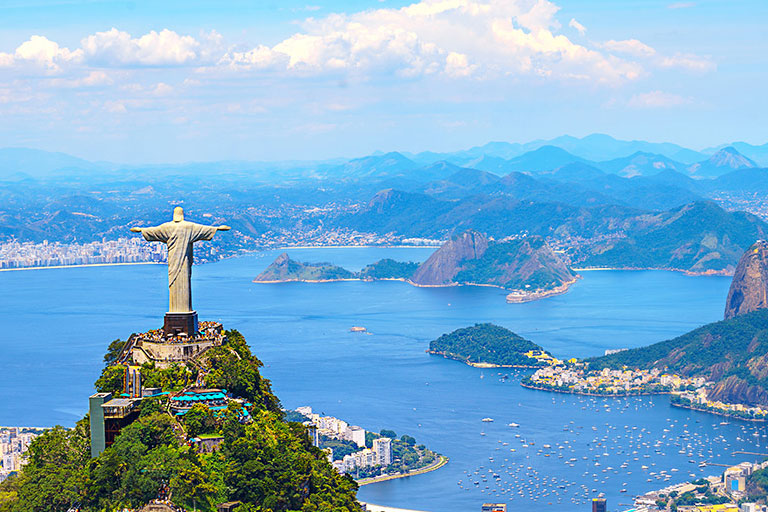
Brazil has carved out a narrow exception for selected international betting brands during the 2027 FIFA Women’s World Cup: they can sponsor and appear in institutional tournament marketing even without a full local betting licence. The catch is obvious enough for compliance teams: this does not open the door to offering wagering to people physically located in Brazil.
- Brazil introduced the special framework as part of the tournament legislation approved in June 2026. The rules apply only to the 2027 FIFA Women’s World Cup, so this is not a general loosening of the country’s betting regime; it is a one-off carve-out tied to FIFA’s commercial model.
- The Ministry of Finance still oversees Brazil’s regulated betting market and still requires operators to obtain the proper authorisation before offering betting products or promoting gambling services in the country. In other words, the licensing requirement remains the default rule, and the tournament exception sits on top of it.
- The exemption is limited to official FIFA sponsors and commercial partners. Eligible brands may use stadium branding, official event signage, television broadcasts, digital campaigns, hospitality areas and other tournament-linked materials, but only for sponsorship and institutional visibility connected with the competition.
- What the framework does not allow is just as important: unlicensed operators cannot accept wagers from consumers in Brazil unless they have the necessary regulatory approval. The legislation preserves the line between advertising access and market access, which is the line PSPs and acquiring teams care about when they are mapping exposure.
- The Ministry of Finance has also said operators using the exception must implement effective geolocation technology to prevent users physically located in Brazil from accessing betting platforms that are not licensed domestically. For high-risk merchants, that means tournament marketing may be permitted, but access control still needs to work at the platform level, not just on paper.
For PSPs, acquirers and bank partners, the practical takeaway is straightforward: Brazil is willing to tolerate limited World Cup-linked sponsorship visibility for unlicensed international brands, but it has not relaxed the core rule that gambling services need local approval. Advertising and transaction processing are still separate questions, and Brazil is making sure they stay that way.
Related news
All news →


Weekly high-risk digest
Regulation, sanctions and payment news across your verticals — once a week, free.
Please check your inbox and click the link to confirm your subscription.
Please enter a valid email address!