Bank of Russia says licensed crypto exchangers may hold assets outside digital custodians
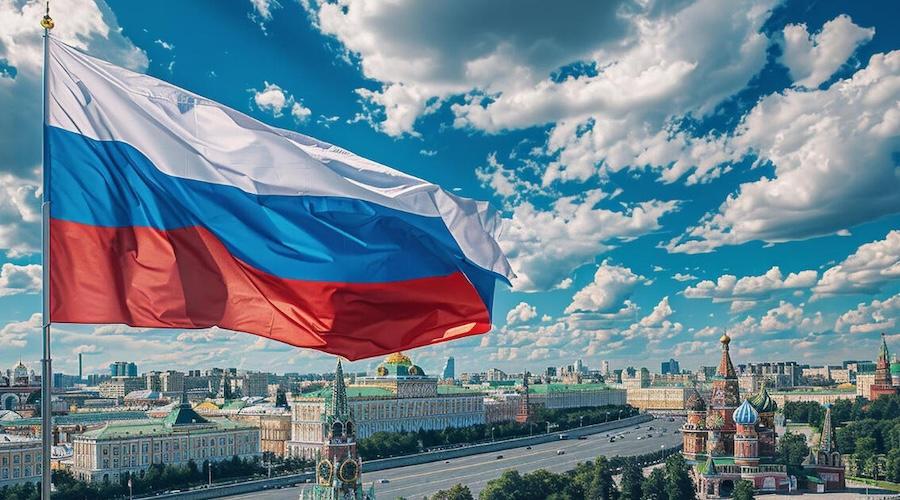
Russia’s central bank has clarified that state-regulated crypto exchangers can execute transactions with digital currencies through DeFi protocols, including decentralized exchanges such as Uniswap. For high-risk payment and trading flows, the practical point is simple: the regulator is drawing a line between what counts as “circulation” of digital currency and what can be done under the new framework.
- The Bank of Russia said that crypto exchangers regulated by the state are allowed to conduct transactions with digital currencies through DeFi protocols. Under the law in force since 1 September, such operations are not considered “circulation” of digital currencies, according to the central bank.
- Over the last month, the Bank of Russia’s registers were expanded by 23 crypto exchangers and 8 digital custodians. In total, there are 28 companies on the lists, and 3 of them appear in both registers.
- Earlier, the Bank of Russia gave the National Association of Securities Market Participants, known as NAUFOR, the status of a self-regulatory organization for operators of the digital asset market — crypto exchangers and digital custodians. For legal operations in Russia, crypto exchangers and digital custodians must be members of this SRO.
- Official state-regulated cryptocurrency trading in Russia has not started yet. Moscow Exchange says it plans to launch trading in bitcoin, ether, and the USDT stablecoin on 1 December, with trading hours aligned to the stock market session.
- For non-professional investors, the Bank of Russia has set an annual limit of 300,000 rubles per intermediary. The central bank also says cryptocurrencies should be stored in a digital custodian, while exchange, trading, and investing should be done through licensed intermediaries with mandatory verification.
One detail that matters for PSPs and compliance teams: the market is still being built, but the operating rules are already getting dense. According to Kommersant, experts believe licensed crypto exchangers will struggle to meet the Bank of Russia’s required transaction speed, which is supposed to be close to classic exchange-market settlement speed, especially because exchangers must start meeting obligations before regulated trading begins.
Related news
All news →
Weekly high-risk digest
Regulation, sanctions and payment news across your verticals — once a week, free.
Please check your inbox and click the link to confirm your subscription.
Please enter a valid email address!