Austria’s end of iGaming monopoly is a landmark shift, but lawyers warn the 2027 timeline is still fragile
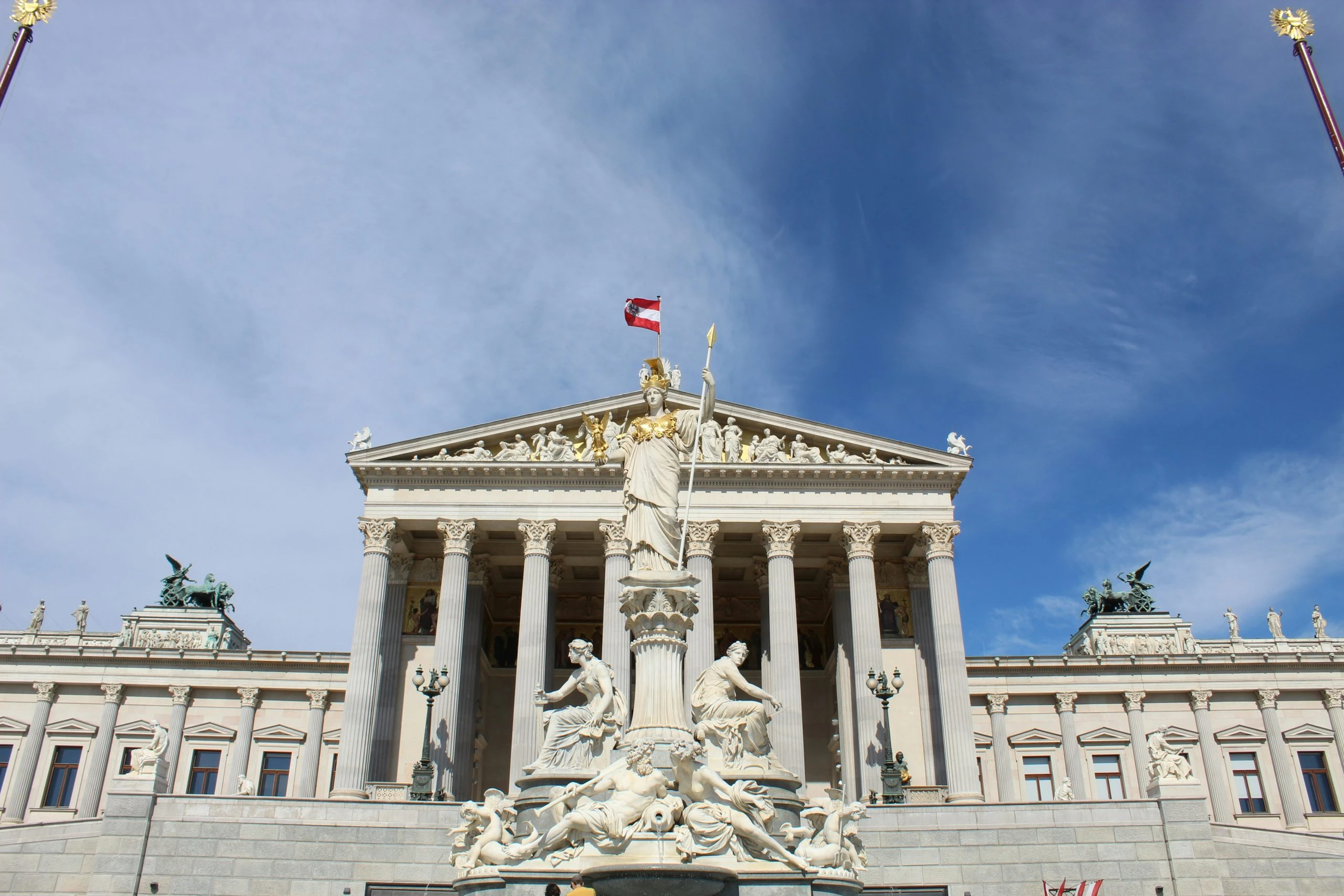
Austria is moving to a multi-licence online gambling market, and people close to the process are calling it a major change after around 20 years of monopoly. The catch for PSPs and operators is that the draft law still has a tight schedule, unresolved entry barriers, and an enforcement setup that does not yet exist.
- Felix Hohenthanner of Rapani Rechtsanwälte and Simon Priglinger-Simader, president of OVWG, said in Lisbon that Austria’s shift to open its online gambling market is “huge” and a landmark moment for every stakeholder in the country. The comments came after Tuesday’s panel, “DACH in the Driver’s Seat: Austria’s Landmark Shift to a Multi-Licence Market”, at the SBC Summit 2026 in Lisbon.
- The move follows a monopoly that has been entrenched for around 20 years. The pair said the change was driven in part by a channelisation rate of around 30% and by the state’s need for tax income amid an EU deficit procedure. In other words: this was not a philosophical conversion, it was pressure plus arithmetic.
- Under the draft law, applications are scheduled to open on 1 January 2027, with licences becoming valid on 1 October, when Win2Day’s sole online licence expires. Hohenthanner described the timetable as “a very ambitious schedule” and said some procedural steps have already been cut. The consultation lasted just two weeks and drew more than 100 submissions, yet the draft went to Brussels essentially unchanged.
- There is still a regulatory timing risk. A planned submission from Malta could delay the law’s entry into force, and Hohenthanner said, “Personally, I doubt there will be a running licensing process in Q1 2027. But we’ll see.” For operators planning market entry, that means the launch date is on paper, not yet a settled operating assumption.
- Priglinger-Simader said the finance ministry expects as many as 20 applications, while he thinks the number could fall below 10 if the main issues are not addressed. He singled out the non-deductibility of player claims refunds from the tax basis as the most likely deal-breaker for applicants. Operators previously active in Austria must also settle player claims and back taxes, and anyone still offering services after 1 January faces an 18-month wait before they can apply.
- Enforcement is still an open question. The regulator that would handle payment and IP blocking has not yet been set up, and Hohenthanner declined to put a date on when blocking might start. Priglinger-Simader told the panel that 15 operators “would be a success for the regulation”; if applications do not arrive in early 2027, he said, the government may need to consider adjustments.
For PSPs, the practical takeaway is straightforward: Austria may be opening, but the market architecture is still being built. Licensing terms, tax treatment, enforcement tools, and the actual timing of applications will determine whether this becomes a real entry point or just another file on the regulatory shelf.
Related news
All news →PXP Partners with OKTO Payments to Add Local Latin American Rails Across Brazil, Mexico, Colombia and More

A single market worth protecting: what the MiCA review should fix and what it should leave alone

Lula delays debate on sports betting in Brazilian football until after Sunday’s election
Weekly high-risk digest
Regulation, sanctions and payment news across your verticals — once a week, free.
Please check your inbox and click the link to confirm your subscription.
Please enter a valid email address!