Brazil betting ban battle enters a new phase after Lula’s re-election
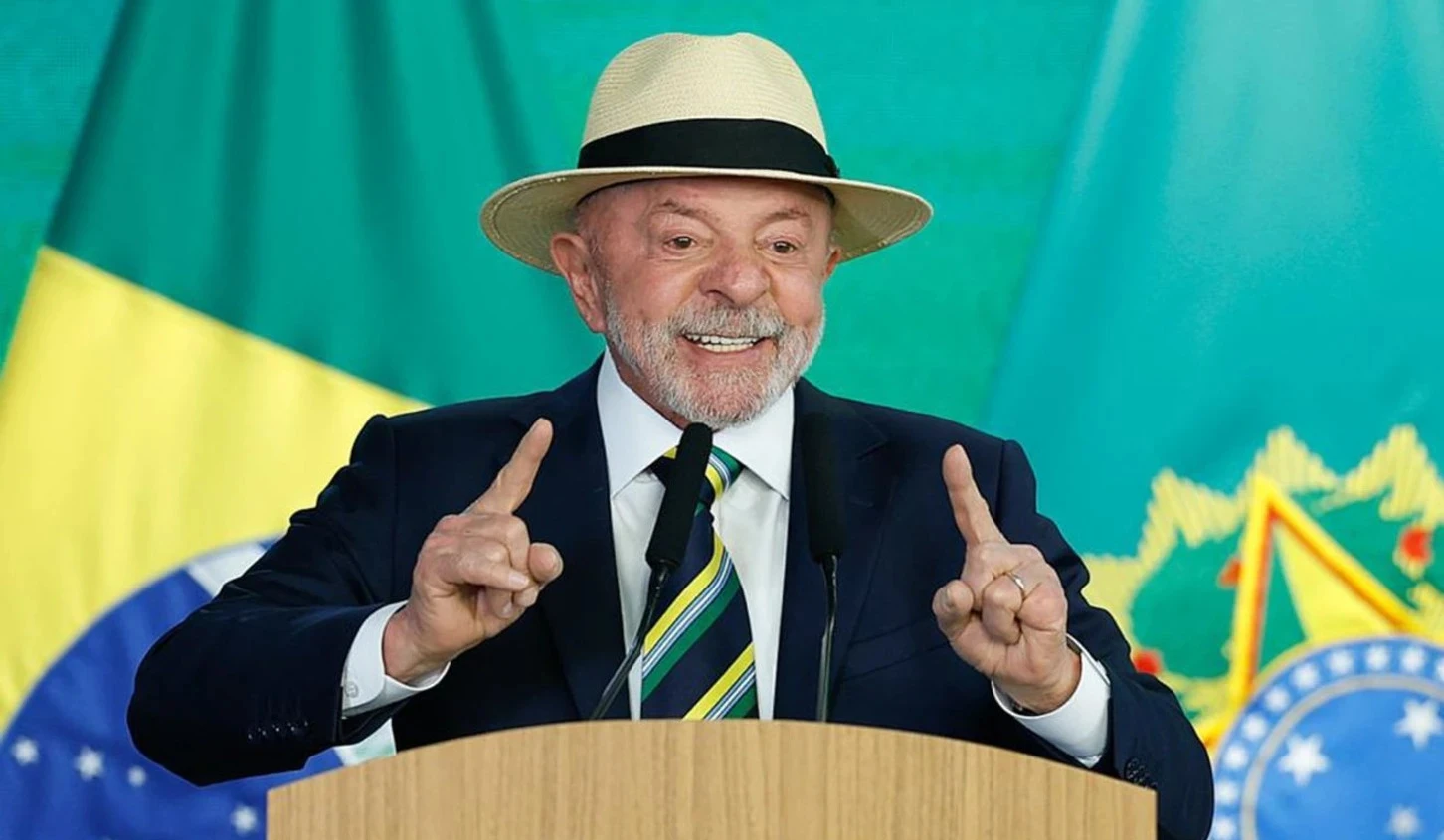
Brazil’s gambling ban has moved from election rhetoric into a legal and political fight over Provisional Measure 1,394. The betting industry is now pushing to reverse the measure in the Supreme Federal Court (STF) and in National Congress, while operators point to lost revenue, suspended activity, and the cost of a regulatory reset that arrived after the money was already paid.
- The Superior Electoral Court (TSE) officially confirmed Lula’s re-election on Sunday. He won with almost 52% of the vote against just over 48% for Flávio Bolsonaro, a margin of just over 4.3 million votes. The sector had been betting on a Bolsonaro win and was already negotiating with the candidate’s interlocutors to revise Provisional Measure 1,394.
- That measure is now the centre of the dispute. Lula’s anti-betting line helped pave the way for its publication, and his campaign team framed the election as a plebiscite for or against betting. With the result confirmed, the industry expects him to keep up the pressure, even though tax revenue remains important for balanced public accounts.
- The first legal front is the STF, where actions have already been filed by sector entities and football clubs. The rapporteur, Minister Luiz Fux, said he would issue a decision as soon as the electoral process was over. The core question is whether the provisional measure is constitutional.
- On paper, the measure is meant to stop gambling. In practice, the sector argues it cannot end betting in Brazil through a provisional measure or decree; it can only push activity into the illegal market. That is the line the market will be pressing in court, along with arguments that the measure breaks contracts and triggers mass layoffs.
- The financial damage is already on the record. Operators that had believed in regulation paid BRL30 million ($6 million) for five-year concessions plus an additional BRL5 million in reserves, then had to halt activity for more than 30 days and lost approximately BRL1.2 billion in revenue. The government, meanwhile, lost over BRL400 million in tax revenue, including direct tax on GGR and other taxes such as Corporate Income Tax, Social Contribution on Net Profit, PIS/Cofins and social security contributions.
There is also a timing issue: the permits expire on Sunday. That leaves the market dealing with a legal challenge, a political backlash, and an operational deadline at the same time, which is rarely the kind of package anyone in payments or acquiring wants to underwrite.
Related news
All news →
NBA signs prediction-market deal with Kalshi and Polymarket amid integrity concerns and state scrutiny

SkillOnNet secures a Finnish gambling licence ahead of the 1 July 2027 market opening
Pinco lists QR SBP as its payment method with MTS as merchant and MTS Bank as the receiving bank
Weekly high-risk digest
Regulation, sanctions and payment news across your verticals — once a week, free.
Please check your inbox and click the link to confirm your subscription.
Please enter a valid email address!