Home
/
news
/
Crypto.com and Robinhood Markets Ask the US Supreme Court to Draw the Line on Prediction Markets
news
Crypto.com and Robinhood Markets Ask the US Supreme Court to Draw the Line on Prediction Markets

Crypto.com and Robinhood Markets want the Supreme Court of the United States to settle a question that state gaming regulators have been circling for a while: are event contracts regulated under the Commodity Exchange Act, or are they just another form of gambling? For high-risk payment players, the answer matters because it decides whether prediction-market flows sit under federal commodities rules or get pulled into state-by-state gaming enforcement.
- Crypto.com and Robinhood Markets are asking the Supreme Court to step in and decide whether state gaming regulators can treat event contracts as gambling products. Their position is that this is the wrong lens, and that federal law should control.
- The companies are arguing for federal preemption under the Commodity Exchange Act (CEA), which they say should block gaming regulators from acting against event contracts. The CFTC says in its rules that the CEA regulates the trading of commodity futures in the United States and provides the statutory framework for the agency’s own authority.
- The legal fight has been happening state by state, with different results. Nevada won a major round and forced Kalshi to shut its offer locally, while other states have failed to, or lacked the resources to, push prediction markets into compliance with gambling laws.
- Kalshi and Polymarket have both rejected the gaming-regulator view, saying they offer event contracts regulated under the CEA rather than sports betting or gambling platforms. That disagreement is what keeps the issue stuck in a familiar deadlock.
- So far, the Supreme Court has not weighed in, and New Jersey has also sought input from the highest court to clarify the matter. For PSPs, acquiring teams, and banking partners, that means the jurisdictional answer is still unresolved, and the payment treatment of these flows remains tied to which regulatory regime ultimately wins.
Related news
All news →
news
Brazil’s 2026 presidential campaign turns betting into a fiscal issue, with six camps split on taxes, ads, and outright bans
news
Brazil’s SPA/MF warns licensed sportsbooks on beneficiary identification before offering bets
news
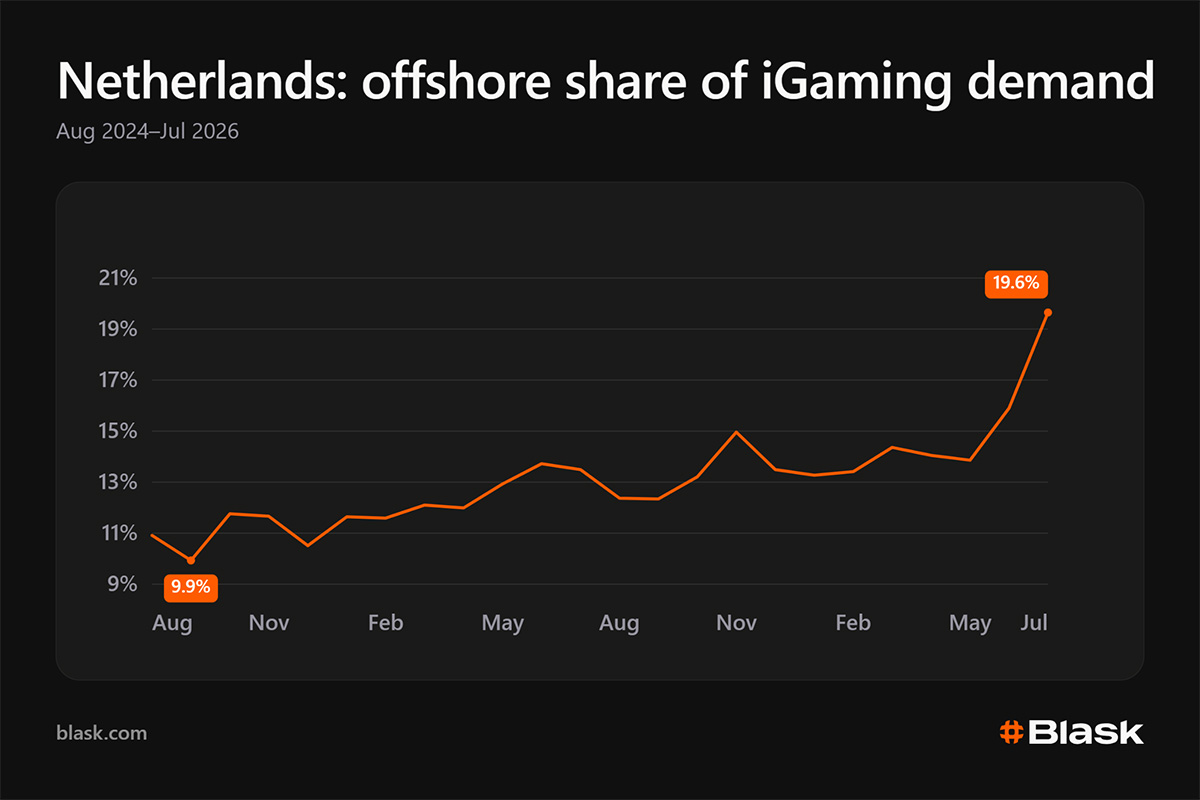
Dutch iGaming demand shifts toward offshore brands as Blask tracks July 2026 market changes
Weekly high-risk digest
Regulation, sanctions and payment news across your verticals — once a week, free.
Please check your inbox and click the link to confirm your subscription.
Please enter a valid email address!