Poland’s gambling tax regime keeps operators under pressure as sports betting and casino rules diverge
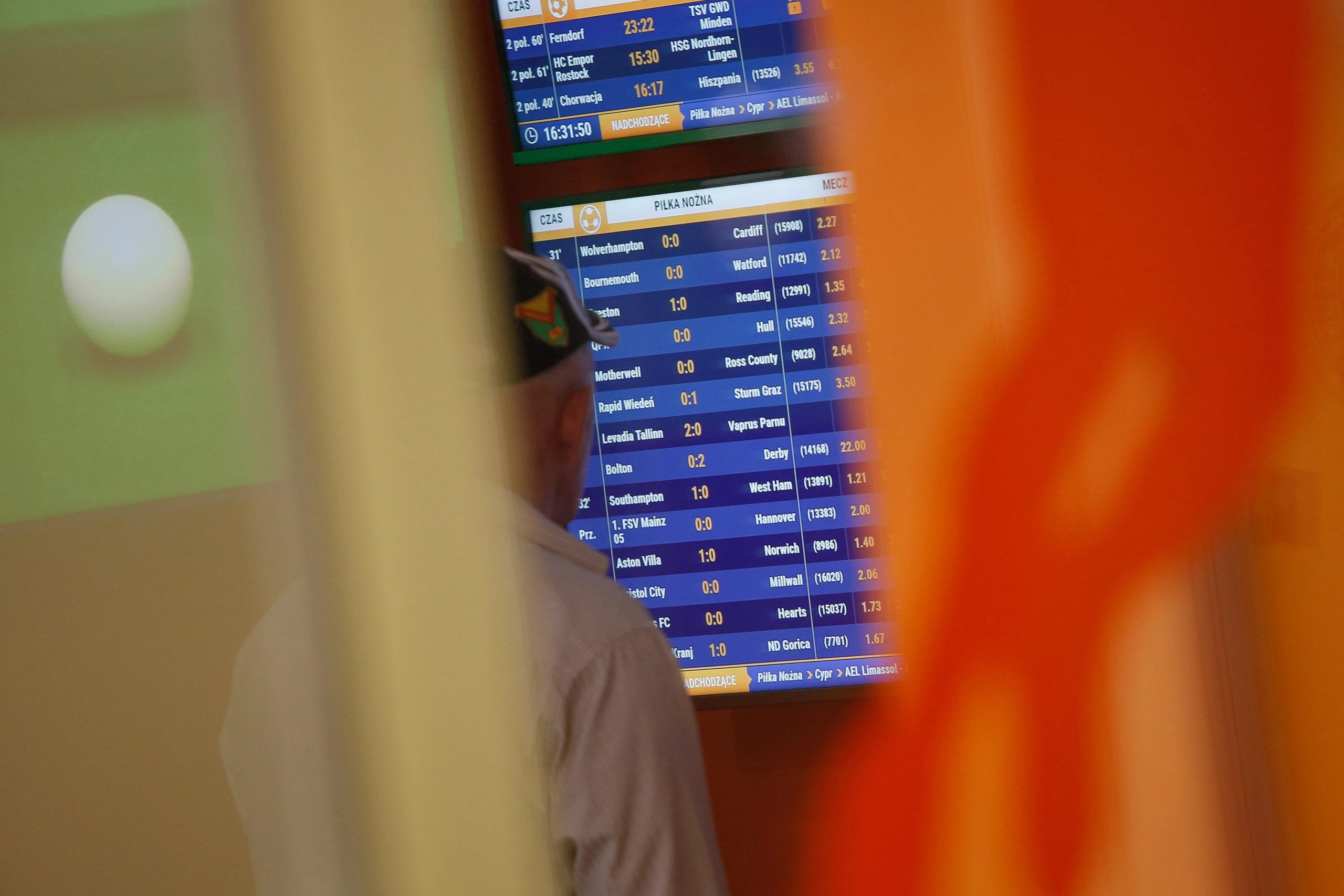
Poland has had 17 years to settle into one of Europe’s toughest gambling tax frameworks, and it shows. For licensed operators, the market is attractive enough to stay on the radar, but the combination of a 12% turnover tax on sports betting, a 50% GGR (gross gaming revenue) tax on casino, and a 10% winnings tax on players makes pricing and product design a constant exercise in damage control.
- Poland’s main gambling law dates back to 2009, when the country’s gambling regime was shaped in the aftermath of the so-called “Blackjack-gate” scandal. Several senior politicians in Prime Minister Donald Tusk’s then-government resigned after leaked recordings suggested corrupt dealings with industry lobbyists over gambling tax hikes.
- The 2009 Gambling Act set the core tax structure that operators still deal with today: a 12% turnover tax on sports betting for private operators, a 50% GGR tax on casino, and a 10% tax on player winnings collected at source by operators. On paper, that is a neat list; in practice, it is a direct hit to margins and customer pricing.
- The market is split between restricted and open verticals. Land-based casinos operate under licence, but since the 2017 reforms, state-owned monopoly Totalizator Sportowy has held exclusivity over online casino and land-based slot machines outside casinos. Online sports betting, by contrast, is open to private operators under a licensing system.
- The 2017 reforms also gave authorities powers to force PSPs to block payment services tied to a list of illegal gambling domains. The effectiveness of that enforcement remains debated, but the direction of travel is clear enough for PSPs: payment access is part of the regulatory toolkit, not just a back-office detail.
- For licensed sports betting operators, the central complaint is not subtle. Myke Foster, group head of gaming at Fortuna Entertainment Group, said: “Turnover tax is aggressively anti-customer and always will be.” He added that it makes it harder to offer a product that is as “fun” and “engaging” as operators would like, and that the tax pushes up the barrier to entry for customers.
That combination — heavy operator taxes, a player winnings tax, and payment-blocking powers — is why Poland matters to PSPs and high-risk payment teams. It is one of Europe’s faster-growing economies, which is exactly what keeps operators looking at it despite the tax math.
Related news
All news →


Weekly high-risk digest
Regulation, sanctions and payment news across your verticals — once a week, free.
Please check your inbox and click the link to confirm your subscription.
Please enter a valid email address!