Lula and Flávio Bolsonaro fought over the “Tigrinho” narrative in Brazil’s last presidential debate, not the facts
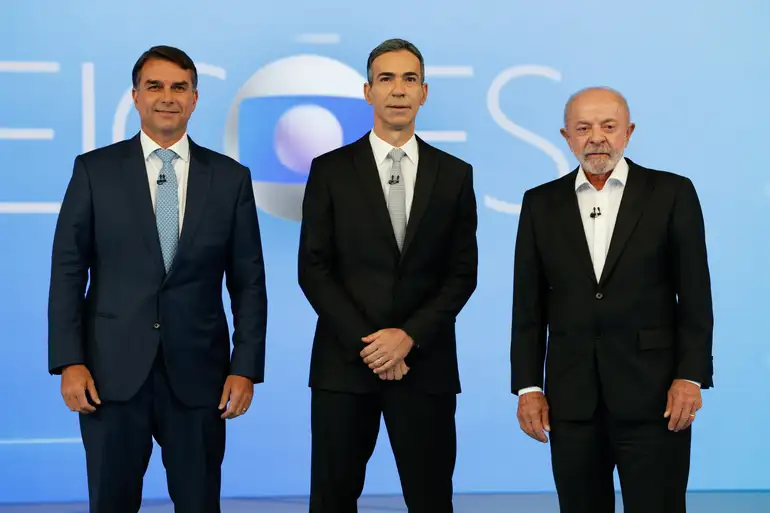
In the TV Globo debate on Friday (23), Brazil’s betting issue came up in the worst possible way for anyone looking for policy clarity: Lula and Flávio Bolsonaro traded blame over online casinos and Fortune Tiger, while fact-checkers said both claims were false. For PSPs and operators, the useful detail is simpler: Brazil’s 2018 law legalized fixed-odds sports betting, while online games only became legal under Law 14.790/2023.
- The argument landed in the third block of the debate, when Lula responded to Flávio Bolsonaro’s question about household debt by saying he had “the courage to end bets,” arguing that gambling was draining family income. He also claimed women in Brazil would support the move because they want household money to go to children, not betting, but he offered no data for either statement.
- Flávio Bolsonaro then turned the exchange into a direct attack on Lula’s record, saying the president was “the father of the online casino” and “created” and “liberalized” it. He also said the policy had hurt football clubs and undermined legal certainty in the country.
- Lula answered in kind, accusing Flávio of having created Fortune Tiger in 2022. That line did not hold up either. The Agency Lupa classified both politicians’ claims as false, and Fato ou Fake from g1 also marked Lula’s statement as fake.
- The legal timeline matters more than the debate theatrics. Fixed-odds betting was legalized by Law No. 13.756/2018, signed by Michel Temer in December 2018. That law gave two years, extendable by another two, to regulate the market. The deadline expired on 12 December 2022 under Jair Bolsonaro’s government, and no rules had been issued by then.
- During that gap, companies operated without operating rules, without paying taxes in Brazil, and without controls over advertising, payment methods, or player protection. In other words: a market existed before the rulebook did, which is exactly the sort of setup that tends to interest PSPs, acquirers, and banks for all the wrong reasons.
The source cuts off just as it starts to explain what Law 2018 did not foresee, but the core point is already clear: Brazil’s debate was about attribution, not regulation. For high-risk payment providers, the relevant line is not who claimed credit on stage; it is that the legal framework for online gaming only came later, under Law 14.790/2023.
Related news
All news →
Russian crypto exchanges may struggle to meet central bank speed rules, experts say

Pennsylvania lawmakers move to cap online casino stakes, ban micro bets and credit card funding

Jumio expands selfie.DONE globally in Q3 2026, with 75 million-identity graph and stronger AI fraud detection
Weekly high-risk digest
Regulation, sanctions and payment news across your verticals — once a week, free.
Please check your inbox and click the link to confirm your subscription.
Please enter a valid email address!