Pennsylvania lawmakers move to cap online casino stakes, ban micro bets and credit card funding

Two Pennsylvania representatives, Tarik Khan of the Democrats and Jamie Flick of the GOP, have teamed up on a package aimed at online gambling harm reduction. For PSPs, acquirers, and casino operators, the useful part is not the political theater but the mechanics: tighter bet caps, loss limits, credit card restrictions, and a wider ban on common acquisition and retention tools.
- HB 2879, the Pennsylvania Online Consumer Protection Act, would set new online casino spending limits. The bill targets overspending in online gambling by imposing lower betting and loss limits on players aged 21 to 25, which the sponsors describe as the most vulnerable consumer group. Under the proposal, operators could accept only $2 per wager in online casinos for players aged 21-25 and $5 per play for those aged 25. Loss caps would be set at $750 in a day for the 21-25 group, or up to $2,500 a month.
- Players older than 25 would still face hard limits. The draft law would allow those over 25 to lose up to $1,500 a day and up to $5,000 in a month. Once those limits are hit, players would be locked out for 24 hours when the daily limit applies, or 30 days when the monthly limit applies, depending on the age group.
- Two companion bills would hit funding and compliance mechanics directly. HB 2875 would ban credit card use for funding online gambling accounts, while HB 2874 would seek further protection for self-excluded consumers. For payment teams, that means the proposal is not just about play limits; it reaches into account funding, onboarding checks, and exclusion enforcement.
- The package also targets marketing and retention tools. The bill would ban gambling ads on college campuses and near schools, eliminate VIP programs altogether, and get rid of micro bets and same-game parlays involving prop bets. It would also allocate additional resources for treatment of problem gambling.
- Khan and Flick have framed the effort as bipartisan action on gambling addiction. Khan said the industry should not be allowed to exploit addiction for profit and said the legislation was built on a statewide study. Flick backed the push and argued that sports betting advertisements and gambling apps are now part of children’s upbringing, which is the sort of line lawmakers use when they decide to move from concern to actual restrictions.
For high-risk operators, the practical takeaway is simple: Pennsylvania is considering a regime that would compress stake sizes, reduce lifetime value from VIP-heavy play, block credit card funding, and increase friction around excluded customers. If enacted, that would matter for both product design and payment acceptance rules in the state.
Related news
All news →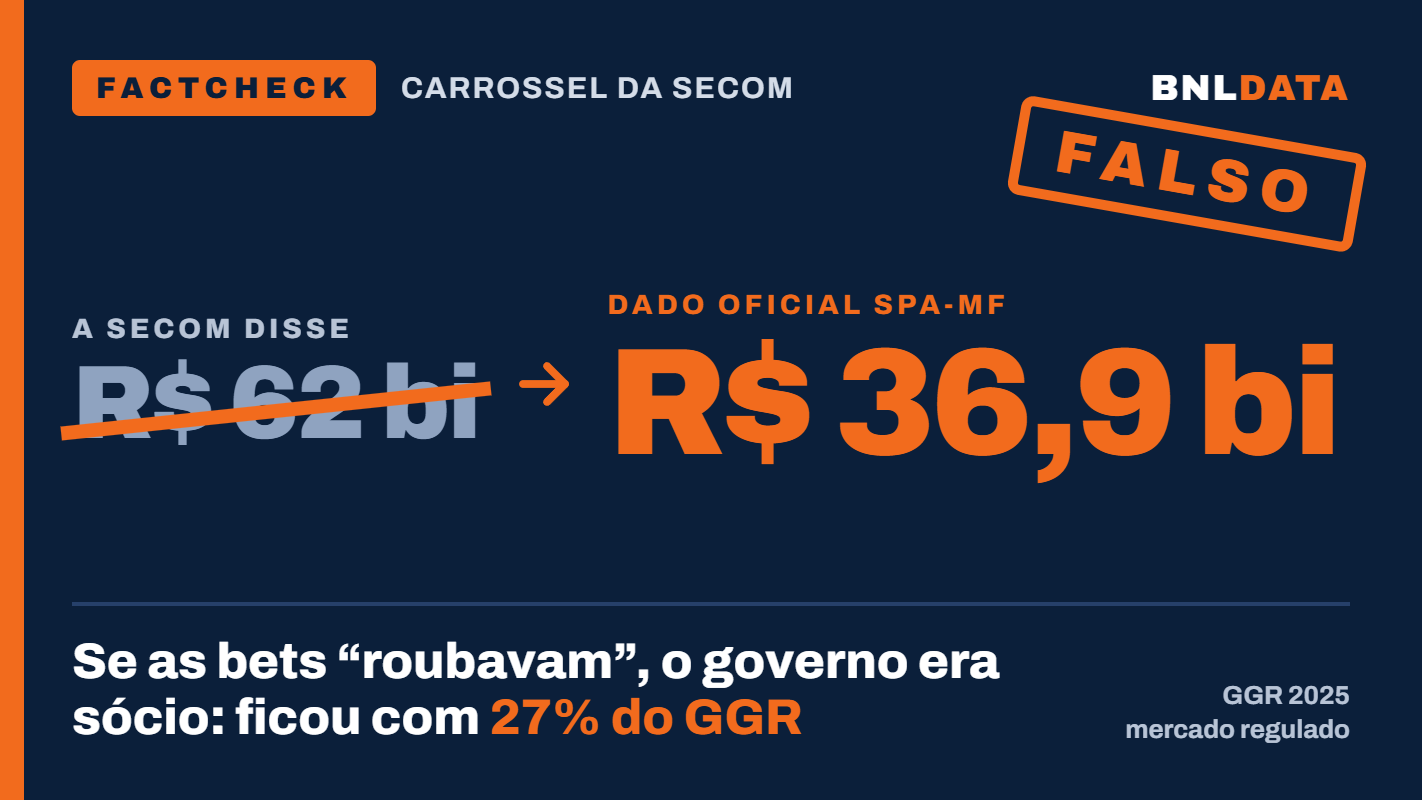
Brazil’s Secom blames regulated betting for illegal-market losses, but official 2025 data show R$ 36.9 billion in GGR
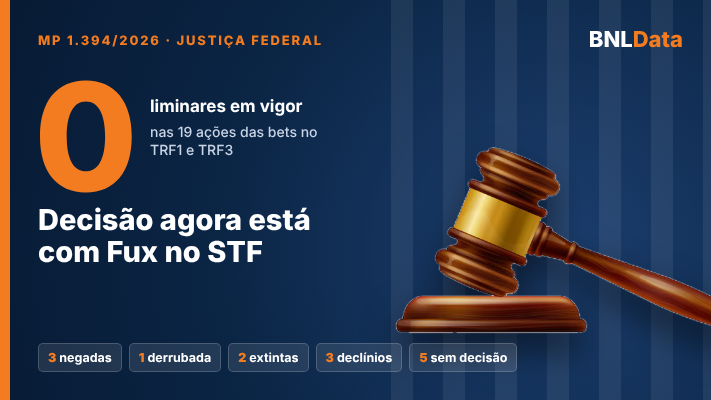
None of the 19 betting lawsuits against Brazil’s MP has an active injunction in Federal Court

USDC overtakes USDT in euro stablecoin trading as EU rules reshape the market: Kaiko
Weekly high-risk digest
Regulation, sanctions and payment news across your verticals — once a week, free.
Please check your inbox and click the link to confirm your subscription.
Please enter a valid email address!