Home
/
news
/
Mexico’s online gambling market reaches $970 million in 2026 as lawmakers weigh regulatory reform
news
Mexico’s online gambling market reaches $970 million in 2026 as lawmakers weigh regulatory reform
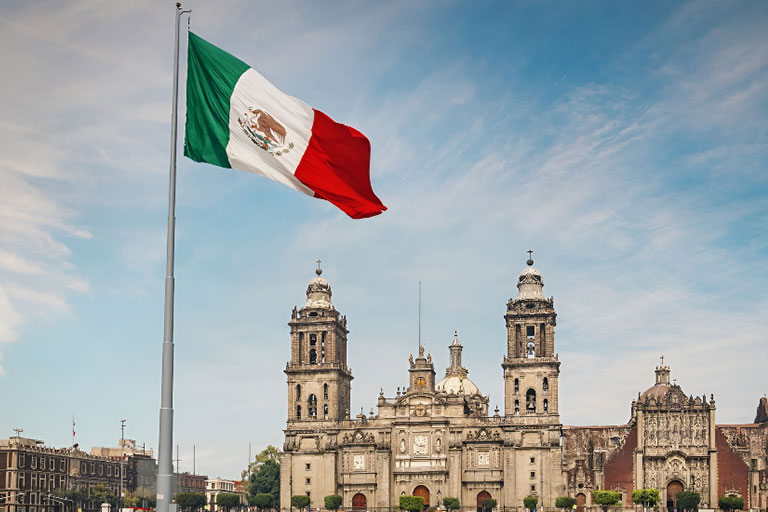
Mexico’s digital betting market is growing fast enough to force a policy conversation that can no longer be postponed. The practical question for PSPs and operators is simple: how do you keep online gambling moving through cards, wallets, and bank rails when the legal framework still traces back to 1947?
- Mordor Intelligence puts the Mexico online gambling market at approximately $970 million in 2026, with a projected rise to about $1.09 billion by 2031. That implies a compound annual growth rate of 8.6% over the forecast period, which is a neat way of saying the sector is not waiting for the legislature to catch up.
- The legal architecture is old enough to be the punchline. The Federal Law on Games and Sweepstakes was published on December 31, 1947, while the principal implementing regulation dates from 2004 and was amended in 2023. That gap matters because the market now operates through mobile devices, electronic payments, and internet-based platforms rather than only through physical betting venues.
- Sports betting is the main engine inside the market. Mordor Intelligence estimated that it accounted for 56.41% of market revenue in 2025, while mobile and tablet activity made up 63.92% of user activity in the same period. For payment providers, that combination points to a consumer base that is already behaving like a digital-first vertical, not a legacy land-based one with an app attached.
- The scale of event-driven spikes is also hard to ignore. An analysis attributed to STP found that transaction volume across digital gaming and betting activity on its infrastructure increased by 431.75% during the 2026 FIFA World Cup compared with the 2022 FIFA World Cup in Qatar. In practice, that is the sort of volume surge that makes risk controls, processing capacity, and settlement planning more than theoretical concerns.
- Regulatory debate is now focused on taxation, licensing, consumer protection, and how digitally delivered gambling services should be treated. Deputy Alberto Martínez Urincho of MORENA presented an initiative before the Congress of Mexico City in August 2026 seeking changes to the Federal Law on Games and Sweepstakes, with policymakers looking at stronger age controls, identity verification, and public warnings related to gambling risks.
For high-risk payment players, Mexico’s relevance is not just market size. It is the combination of strong digital demand, sports-led transaction spikes, and an older legal framework that is being asked to govern a much newer payments and gambling stack.
Related news
All news →
news
Fed proposes capital and redemption rules for stablecoin issuers under GENIUS Act

news
German gambling regulator wants more room to adapt as five-year review opens
/https://i.s3.glbimg.com/v1/AUTH_da025474c0c44edd99332dddb09cabe8/internal_photos/bs/2026/L/X/Y2kp8xTamTitx8onnVeA/esportecapa.jpg)
news
Bets Notify Fluminense, São Paulo, Flamengo and Corinthians Over Possible Contract Terminations as Brazil Weighs New Restrictions
Weekly high-risk digest
Regulation, sanctions and payment news across your verticals — once a week, free.
Please check your inbox and click the link to confirm your subscription.
Please enter a valid email address!