Russia finalizes crypto trading rules ahead of Nov. 17 rollout
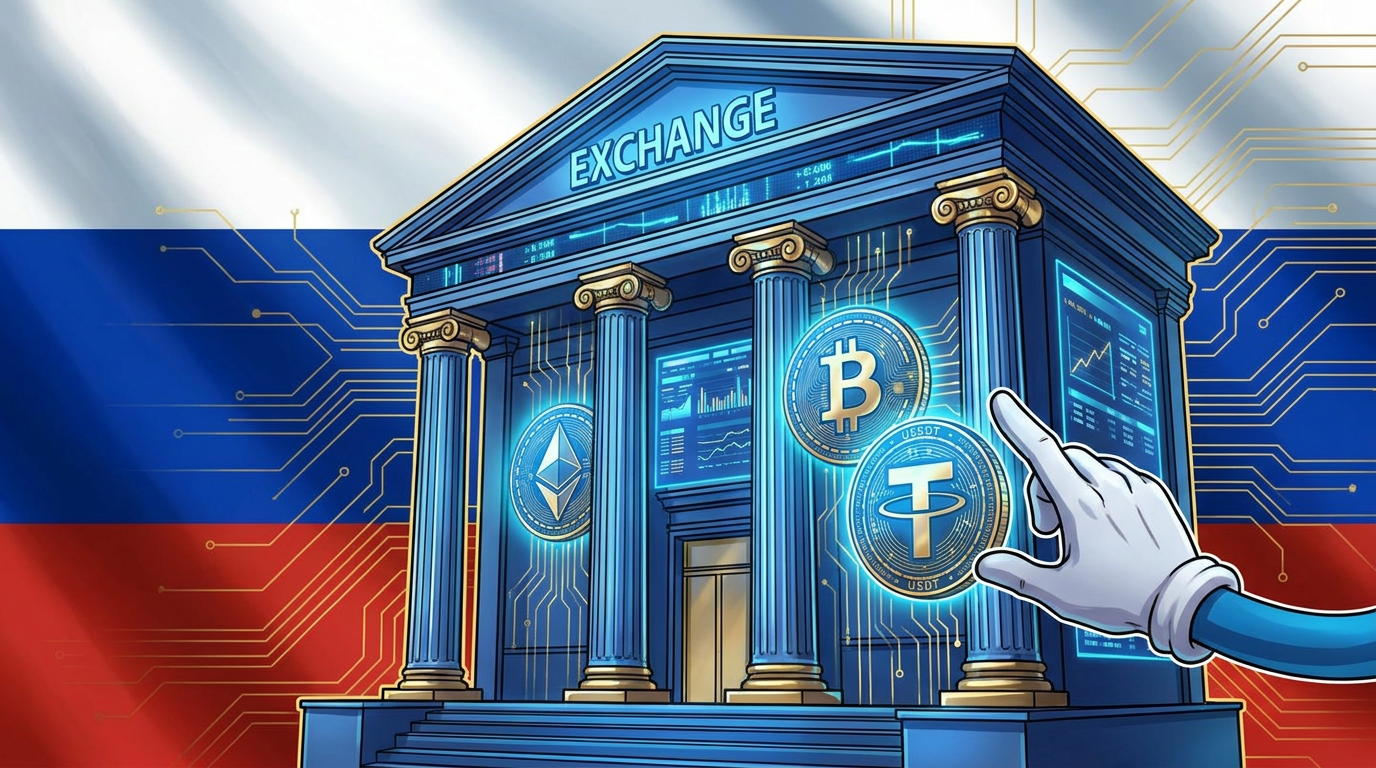
Russia’s central bank has locked in the rules for retail crypto trading, with exchanges set to offer Bitcoin (BTC), Ether (ETH) and Tether USDt (USDT) from Nov. 17. The setup matters for PSPs and exchanges because it creates a regulated path into crypto under Bank of Russia oversight, while keeping tight limits on who can buy, how much, and where the funds can move.
- The Bank of Russia’s finalized directive allows exchanges to offer BTC, ETH and USDT to retail investors starting Nov. 17. The framework covers non-qualified investors, qualified investors and mandatory testing before trading, so access is being expanded, but only inside a controlled regime.
- Non-qualified investors can buy up to 300,000 rubles, or around $3,700, per year through each intermediary, including brokers, asset managers and crypto exchange providers. Qualified investors face no purchase limits, which makes investor classification the main gatekeeper in the system.
- The rules build on legislation signed by Russian President Vladimir Putin on Aug. 4, which established a regulated cryptocurrency market under central bank oversight. A week later, the Bank of Russia published draft regulations identifying BTC, ETH and USDT for public trading based on market capitalization, average daily trading volume and at least five years of price history on foreign exchanges.
- The law took effect Sept. 1, and the Bank of Russia later authorized Sberbank, Russia’s largest bank, to offer crypto exchange services in October. Moscow Exchange, Russia’s largest securities exchange and a publicly traded company, is preparing to launch cryptocurrency trading on Dec. 1, initially through pilot transactions involving the same three cryptocurrencies.
- At the same time, Russia is tightening the off-ramp and peer-to-peer side of the market. Direct peer-to-peer crypto trading will be prohibited starting July 1, 2027, transfers from regulated digital accounts to self-custody wallets are already banned, and cryptocurrency still cannot be used to pay for goods and services.
For high-risk operators, the practical takeaway is straightforward: Russia is opening a regulated crypto channel, but it is pairing that opening with tighter controls on transfers and payments outside licensed intermediaries. That is the kind of structure PSPs and banks watch closely, because the compliance perimeter is doing a lot of the work here.
Related news
All news →
Visa and Mesh let consumers spend crypto and stablecoin balances at 175 million merchant locations

Singapore gambling advertising rules force esports teams to rebrand ahead of PGL Major Singapore 2026

UKGC Referred 7.7 Million Illegal Gambling URLs to Search Engines Between July and September
Weekly high-risk digest
Regulation, sanctions and payment news across your verticals — once a week, free.
Please check your inbox and click the link to confirm your subscription.
Please enter a valid email address!