Brazil betting ban would push players to illegal sites, with 31 million active on licensed platforms
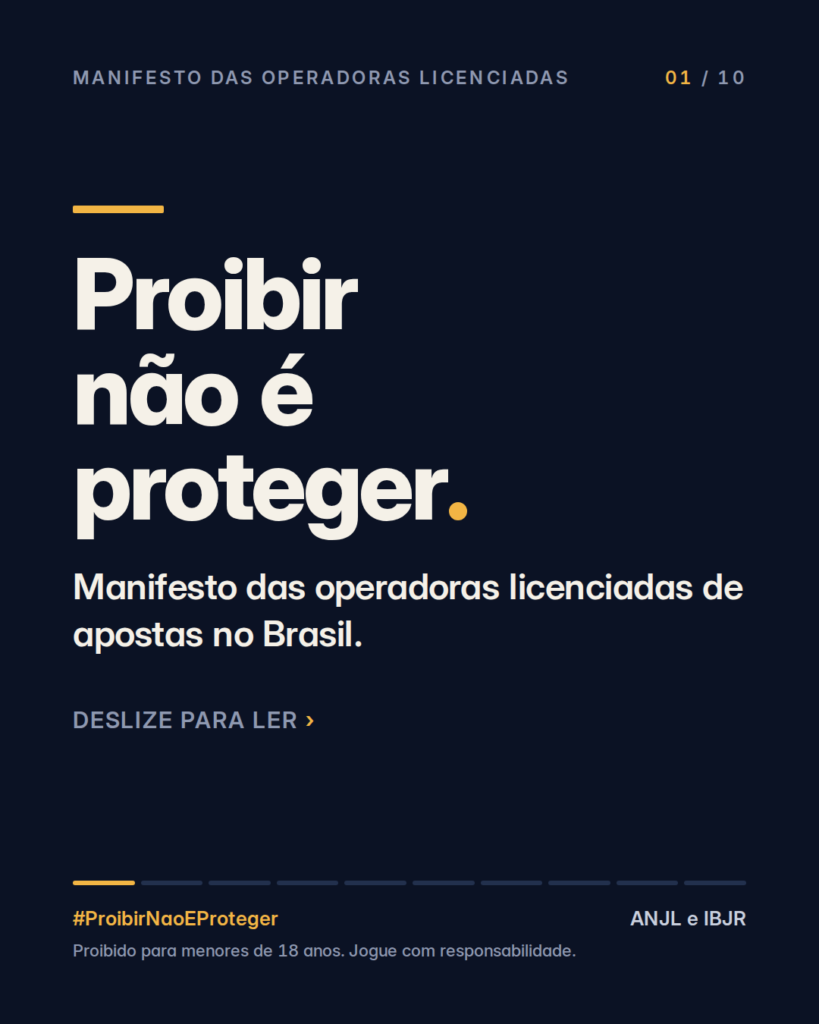
BNLData, together with licensed operators in Brazil, signed the ANJL and IBJR manifesto arguing that a prohibition would not stop betting activity; it would move it out of the regulated market and into unmonitored environments. For PSPs and operators, the key point is simple: the regulated market is where age checks, CPF verification, self-exclusion, and tax collection happen.
- According to Brazil’s Ministry of Finance, 31 million people are active on legal betting platforms, around 20% of the national electorate. The manifesto says most of them bet recreationally and responsibly, which is the operating assumption behind the licensed market’s controls.
- The licensed market verifies age and CPF, applies mental health and self-exclusion policies, and collects taxes for public policy. The argument here is not that regulation solves everything, but that it is the only place where these controls actually exist.
- The legal market already prevents 3 million beneficiaries of social programs from betting and has handled 1.2 million self-exclusion requests. The manifesto’s point is blunt: no illegal site does that, because illegal sites do not need to follow the rules in the first place.
- The Brazilian illegal market is also being used by organized crime to run digital scams against more vulnerable consumers. The government has already blocked more than 66,000 illegal domains, but in one week of September, 6,409 were still online, and 14 new ones are created per day.
- Illegal operators already account for 41% of betting volume in the country. The manifesto says that if prohibition hits the entire regulated market, that share would rise to 100%, with LCA estimating up to R$ 73 billion in revenue at risk between 2027 and 2030 if 100% of demand shifts to illegal operators.
For high-risk payments, the commercial takeaway is not subtle: when regulated rails disappear, volume does not vanish with them. It migrates to operators that accept minors, do not enforce self-exclusion, and do not collect taxes — which is exactly the environment acquirers and PSPs spend their time trying to avoid.
Related news
All news →


Weekly high-risk digest
Regulation, sanctions and payment news across your verticals — once a week, free.
Please check your inbox and click the link to confirm your subscription.
Please enter a valid email address!