Brazilian government to back Bill No. 2,258/2026 to ban online casino games

Brazil’s federal government will campaign for approval of Bill No. 2,258/2026, which would remove online casino games from the country’s regulated gambling market while keeping fixed-odds sports betting legal. For PSPs and acquirers active in Brazil, the key point is simple: the line between allowed and banned product types is now being drawn in law, not just in policy speeches.
- The bill says Brazil’s regulated gambling framework will prohibit online casino games whose outcomes are generated by electronic systems or algorithms. If it passes, online casino gaming would be taken out of the regulated market launched last year, while fixed-odds sports betting would remain legal.
- According to Focus Gaming News Brasil, representatives of the Executive Branch plan to speak with deputies and senators once the parliamentary recess ends on Saturday. The bill is currently awaiting review by committees in the Chamber of Deputies.
- The government wants the proposal approved before the first round of this year’s elections, set for October 4. In other words, this is not being handled as a distant regulatory cleanup; it is being pushed on an electoral timetable.
- Brazil’s government has singled out the slot Fortune Tiger, known locally as Jogo do Tigrinho, as a driver of rising indebtedness among Brazilian families. It is also framing the online slots ban as part of a broader package that includes advertising restrictions and blocking economically vulnerable individuals from gambling.
- Sidônio Palmeira, Minister of the Secretariat of Social Communication (Secom), said public opinion has shifted against gambling operators, especially among conservative voters, making action on the issue a potentially popular campaign move. At the same time, a study commissioned by the National Association of Games and Lotteries (ANJL) found that in the São Paulo Metropolitan Region only 1 per cent of respondents cited betting as a reason to reject President Lula.
President Luiz Inácio Lula da Silva has repeatedly said he opposes the sector, arguing that the current framework lacks accountability and does not protect vulnerable citizens who gamble on credit. For operators and payment providers, the practical takeaway is that Brazil’s regulated market may be kept open for one vertical and closed for another.
Related news
All news →
Russia’s Crypto Exchange Market Is Moving Into a Transition Period, and Three Paths Are Left for Operators
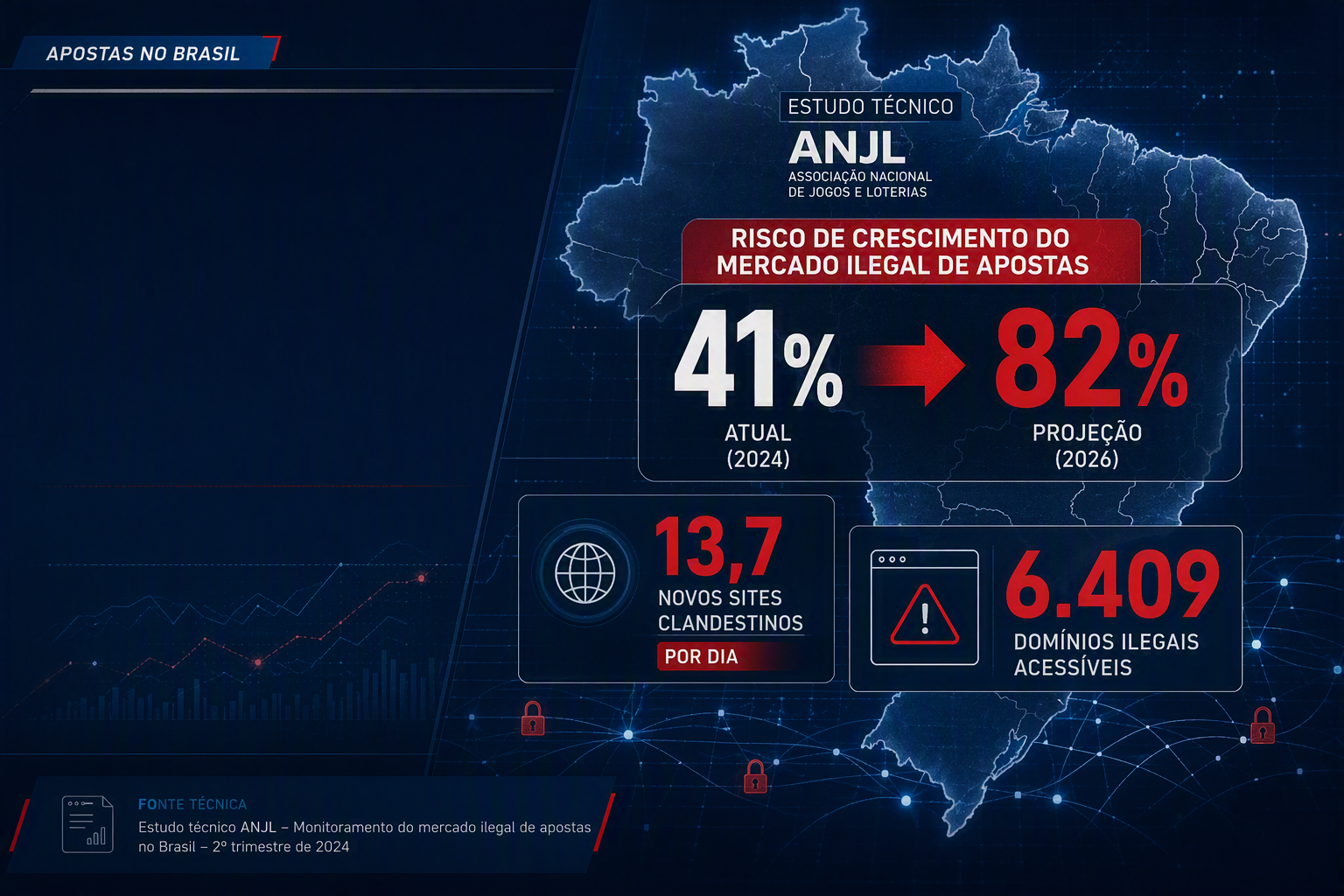
Brazilian betting ban could push illegal gambling share from 41% to 82%, ANJL says

Altenar and Pragmatic Solutions have been working together since 2023, with live operators in Brazil, Canada and Europe
Weekly high-risk digest
Regulation, sanctions and payment news across your verticals — once a week, free.
Please check your inbox and click the link to confirm your subscription.
Please enter a valid email address!