Mastercard Launches Wallet Pay to Connect Regional Digital Wallets to Its Global Network
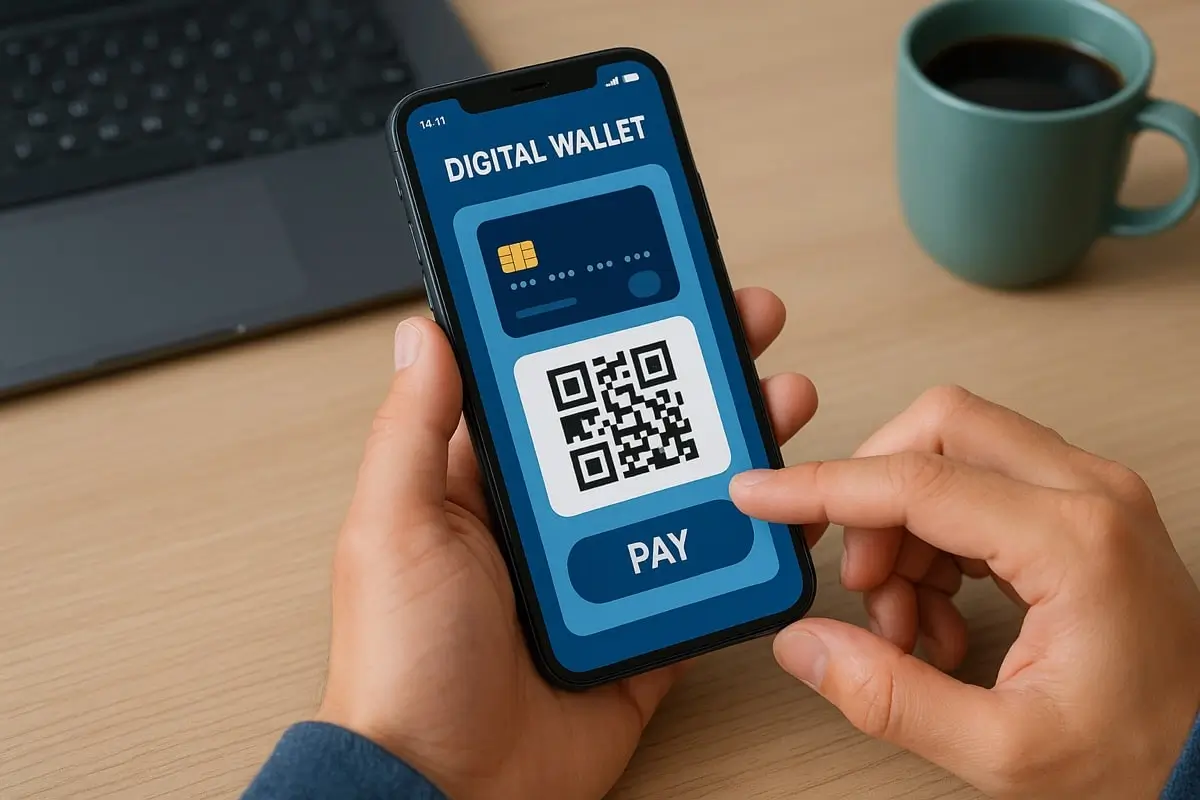
Mastercard has launched Wallet Pay, a global portfolio of wallet connectivity tools designed to plug regional digital wallets into its payments network. For high-risk PSPs, the point is simple: wallets that work well at home still need a way to move money, accept payments, and keep compliance and acceptance working once users step outside their home market.
- Announced from Singapore, Wallet Pay brings together major regional wallet providers, including Alipay+ partner wallets AlipayHK, Clip, GCash, KakaoPay, TNG eWallet and TrueMoney. The partner list also includes Axian, CRED, DaviPlata, Mercado Pago, MTN and TenPay Global. Mastercard says the goal is to accelerate interoperability, innovation and financial inclusion.
- The wallet market is already large and still growing fast: digital wallets already serve over 4.3 billion users globally, with that figure projected to top 6 billion by 2030. Mastercard’s argument is that many wallets have strong local reach, but users hit a ceiling when they want to spend, receive or transfer money outside their home market.
- This is not a consumer wallet like Apple Pay or Google Pay. Those sit on the phone and let a consumer pay with a card already added to the app. Wallet Pay is backend network infrastructure that other wallets connect to. Mastercard is positioning itself as the layer underneath regional wallets, tokenizing wallet accounts, enabling card issuance inside a wallet, and linking wallets to its acceptance network.
- Mastercard says that setup gives wallets access to its 150 million-plus merchant locations without each wallet provider having to build that infrastructure itself. In practice, that matters because a GCash or KakaoPay user can only spend abroad if the wallet is recognized at the merchant, supported by existing merchant relationships, and backed by the right security, currency and compliance rails.
- Mastercard’s product page says Wallet Pay bundles several capabilities: account tokenization, which turns a linked wallet account into a secure token for tap-to-pay and e-commerce at Mastercard-accepting merchants; Mastercard Pay Local, which links a Mastercard card to a local wallet so travelers can pay the way locals do, and vice versa; and Wallet Services, which let a wallet provider offer contactless and online payments without building its own payments infrastructure.
One number here matters for PSPs and acquirers: Alipay+ alone connects more than 50 e-wallets and banking apps and over 10 national payment schemes, and Ant International’s CEO cited over 150 million merchants in that network. Mastercard is clearly trying to sell the same old network logic to wallets: local scale is nice, but cross-border acceptance is where the plumbing gets expensive.
Related news
All news →
Mastercard launches Wallet Pay to connect digital wallets across cards, QR, NFC and online payments
Russia Plans to Require Tax ID Numbers for Crypto Accounts as Anti-Money Laundering Identifier
Rollbit appears to be operating without a valid Curaçao license again, according to X users
Weekly high-risk digest
Regulation, sanctions and payment news across your verticals — once a week, free.
Please check your inbox and click the link to confirm your subscription.
Please enter a valid email address!