SOFTSWISS Panel: The Real Cost of Entering African iGaming Is Mostly Outside the Licence
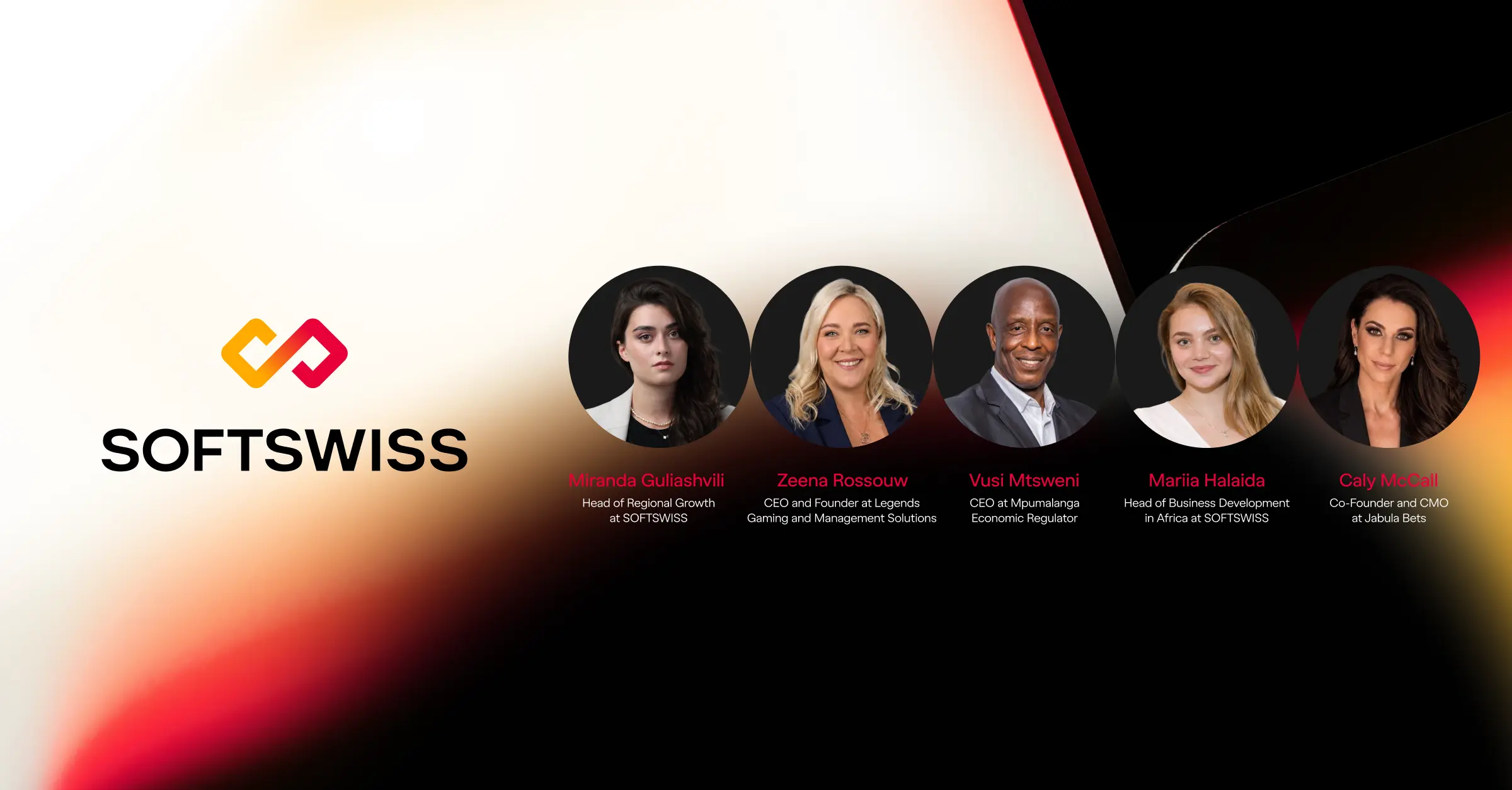
SOFTSWISS hosted a LinkedIn Live panel, “Not a Cheap Bet: The Economics of Launch in the African iGaming Market,” with the Mpumalanga Economic Regulator, operator Jabula Bets, consultancy Legends Gaming and Management Solutions, and SOFTSWISS. The main takeaway for PSPs and operators: in Africa, the licence is often the easy part; localisation, payments, compliance, certification, and market-by-market execution are where the budget goes.
- African iGaming is not one market. The panel framed Africa as 54 countries with different licensing rules, anti-money laundering requirements, and player habits. That matters for payments too: mobile money leads in Kenya, South African players use vouchers, electronic funds transfers, and cards, while other markets rely on USSD and agent networks.
- Operators may run one platform across several countries, but compliance still has to be built country by country. Game content also has to be tailored to each local audience, which means a single launch plan rarely survives first contact with the market.
- South Africa was used as the clearest example of how much work sits beyond the licence. Operators apply province by province, and each of the nine provincial authorities follows its own process. Approval can take three, six, or 12 months, depending on the province and the complexity of the application.
- After licensing, the work continues: products need certification from a test lab and the South African Bureau of Standards (SABS), and platforms must produce 21 market-specific regulatory reports. The panel noted that some licensed operators approved over a year ago still have not launched because their software needed extra development.
- Mariia Halaida, Head of Business Development in Africa at SOFTSWISS, said local content is crucial and that the provider’s offer has to match each market. In her words, there is no single package for everyone; content selection has to be personalised by country and region.
For high-risk PSPs, the useful part here is straightforward: licensing fees are rarely the main cost line. The bigger bills are localisation, certification, a local company and staff, Broad-Based Black Economic Empowerment (BEE) requirements, technology, payments, and marketing. If the platform cannot handle real player volumes, or deposits fail after acquisition spend has already been made, the economics break very quickly.
The panel’s practical advice was to start with a business strategy, then test markets against it. That meant a full feasibility study, conversations with people on the ground, due diligence on every partner, and early work with a local partner and test lab. On the technology side, building in-house can turn into a multi-year, multi-million project, which is why many operators end up buying rather than building.
Related news
All news →Dutch regulator to work with Meta and Google on a whitelist of iGaming operators
Weekly iGaming licensing roundup: New Zealand advances 11 bidders, Wildz gets Finland’s first online licence, and Louisiana delays DraftKings renewal

Visa and Mastercard face £700 million UK claim over post-Brexit EEA card fees
Weekly high-risk digest
Regulation, sanctions and payment news across your verticals — once a week, free.
Please check your inbox and click the link to confirm your subscription.
Please enter a valid email address!