Visa and Mastercard face £700 million UK claim over post-Brexit EEA card fees

A collective proceedings claim has been filed at the UK Competition Appeal Tribunal (CAT) alleging that Visa and Mastercard used the end of EU interchange caps to raise fees on UK businesses accepting online payments from European Economic Area (EEA) customers. For PSPs and merchants in high-risk verticals selling into Europe, the point is simple: this is about cross-border acceptance costs that can move fast and, once embedded, hit margins hard.
- The claim is worth more than £700 million and is brought by Ann Pope, a former Senior Director for Antitrust at the Competition and Markets Authority, through Ann Pope Collective Proceedings Limited. She is represented by Geradin Partners. The proposed class covers about 126,000 UK businesses that accepted remote payments from EEA-issued cards at any point since October 2020.
- The action is opt-out, not opt-in. That means UK businesses in scope are automatically included unless they choose to withdraw. For acquirers and payment facilitators, that matters because class actions of this kind tend to be less about a single merchant and more about a broad slice of the acceptance chain.
- The core allegation is that after Brexit, when EU interchange caps stopped applying to UK businesses, Visa raised its UK-EEA online transaction fee five-fold in October 2021: from 0.2% to 1.15% for consumer debit cards and from 0.3% to 1.5% for consumer credit cards. Mastercard followed in April 2022 with equivalent increases.
- The claim says those increases were not a legitimate response to changed market conditions. The argument is that the UK remained part of the Single Euro Payments Area after Brexit, so the underlying cost structure for processing EEA-issued card transactions did not materially change. The Payment Systems Regulator (PSR) has also said Visa and Mastercard faced no effective competitive constraints on the acquiring side when setting these fees, and it has proposed a price cap that is still under consideration and not yet implemented.
- There is also a regulatory backdrop here that makes the case more than just a damages fight. The PSR has already found in a separate case that inter-regional interchange fee arrangements restrict competition, and its ongoing review of cross-border interchange is still live. In other words: this is not arriving in a vacuum, and card fee policy in the UK is very much still being written.
The claim also leans on the size of UK-EU commerce. It cites 2025 figures showing UK exports to the EU at £384 billion, or 41% of all UK exports, and says Visa and Mastercard together handle nine in ten online transactions at UK businesses where the customer holds an EEA card. For merchants taking European traffic — including high-risk businesses where card acceptance is already a negotiated cost centre rather than a background utility — the economics here are hard to ignore.
Related news
All news →Dutch regulator to work with Meta and Google on a whitelist of iGaming operators
Weekly iGaming licensing roundup: New Zealand advances 11 bidders, Wildz gets Finland’s first online licence, and Louisiana delays DraftKings renewal
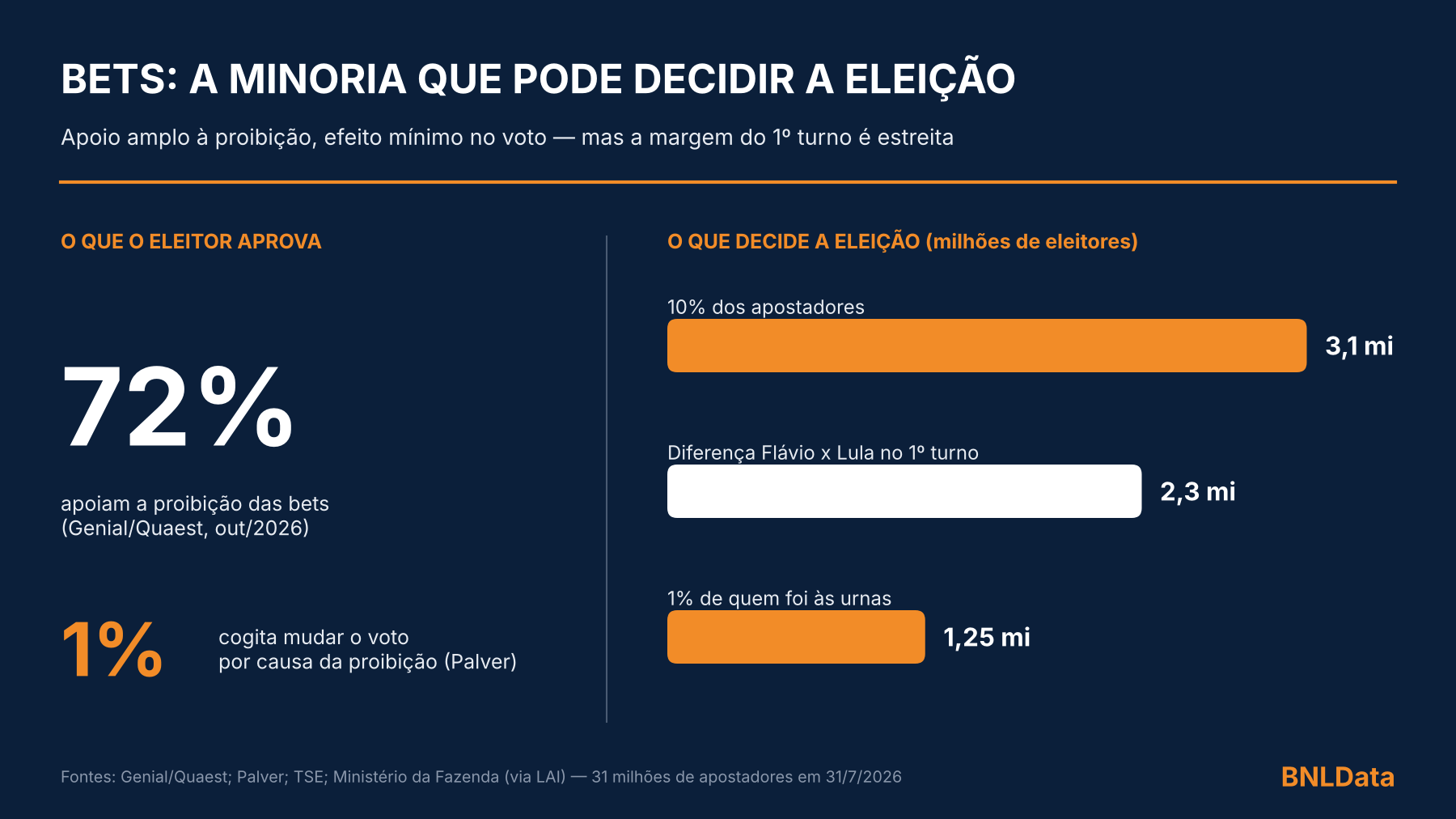
Bets Ban Has Broad Support in Brazil, but the Voting Effect Looks Small — and That Still Matters in a Tight Race
Weekly high-risk digest
Regulation, sanctions and payment news across your verticals — once a week, free.
Please check your inbox and click the link to confirm your subscription.
Please enter a valid email address!