Home
/
news
/
Merchants See Better Payment Results When Multiple PSPs Are Orchestrated, Not Just Added
news
Merchants See Better Payment Results When Multiple PSPs Are Orchestrated, Not Just Added

Adding more payment service providers can create redundancy and more payment choice, but the real gains show up when those providers are managed as one system. In PYMNTS Intelligence and PayPal Open’s August/September 2026 Optimizing Payments Tracker, 78% of companies with all five core orchestration capabilities reported payment processing completion gains of at least 2%, versus just 7% of companies with one or two capabilities.
- The report, “Connecting What’s Next: Open Infrastructure for the Future of Commerce,” says the difference between “more PSPs” and “better payments” is orchestration maturity. Merchants may add processors for redundancy, higher acceptance rates, competitive routing, or access to local payment methods, but the report’s point is plain: the benefit comes from the network being coordinated, not merely larger.
- The gap is 71 percentage points between companies with all five core orchestration capabilities and those with only one or two. That is a useful number for PSPs and merchants because it suggests that stacking processors without routing control, fallback logic, or independent credential use leaves a lot of performance on the table.
- The report frames several practical capabilities as the difference-maker: dynamically redirecting transactions, updating routing rules, moving automatically to a backup provider, and using credentials independently of a particular processor. If those pieces are missing, the merchant may have multiple connections on paper but not the operational flexibility needed to turn them into higher completion rates.
- The article also notes that relatively few companies have reached the orchestration level associated with the largest reported gains. For providers selling into high-risk verticals, that matters because the pitch is not just “we can add another MID or acquirer”; it is whether the stack can actually behave like a coordinated payment network under pressure.
Related news
All news →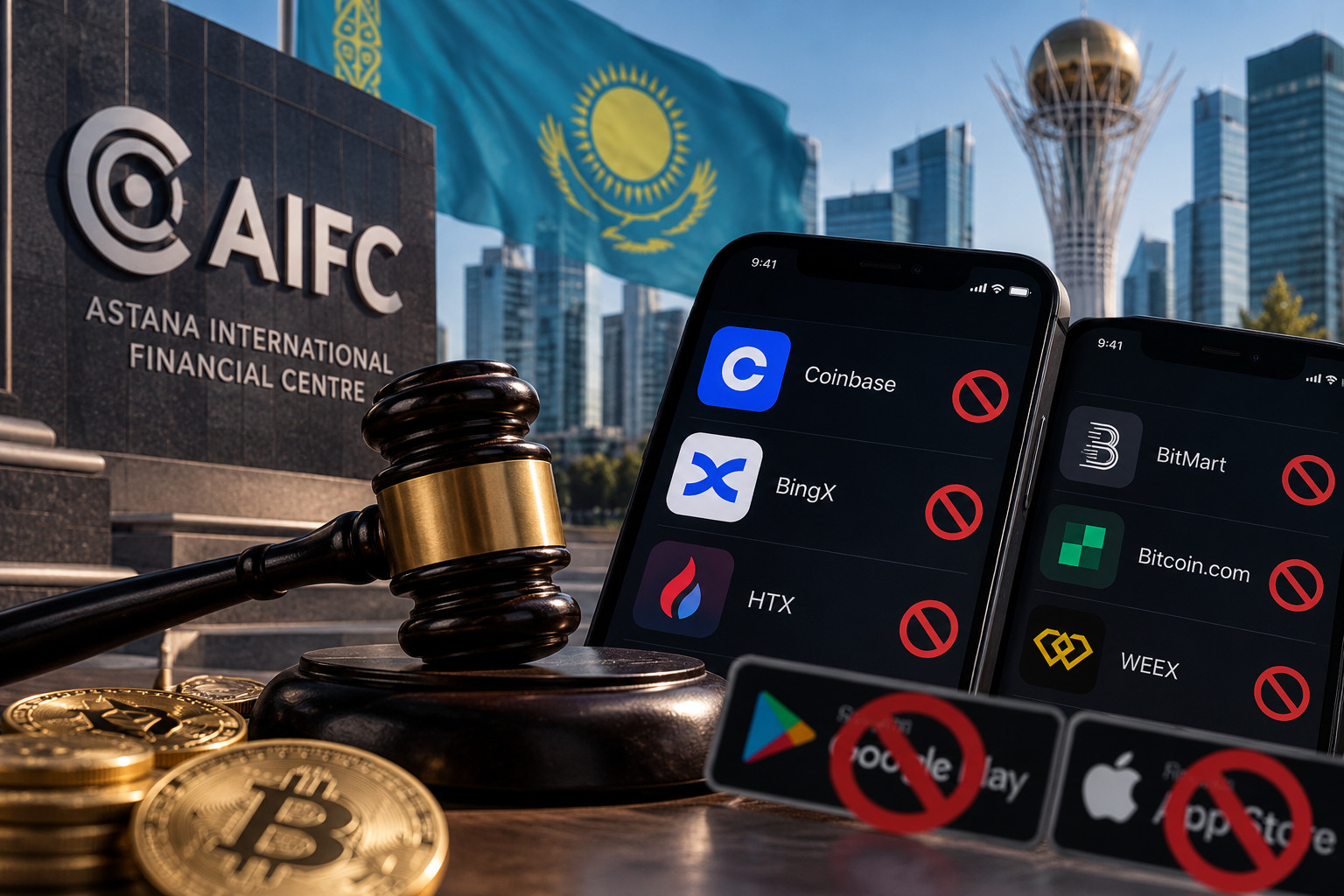
news
Astana IFC Court bans six crypto platforms from operating without a licence in Kazakhstan, with app store restrictions to follow

news
Ohio steps up enforcement against prediction markets over sports-related contracts
:strip_exif()/i.s3.glbimg.com/v1/AUTH_59edd422c0c84a879bd37670ae4f538a/internal_photos/bs/2026/d/6/MC6JuzTdedjHXc3TOOMg/globo-canal-4-20261019-2000-frame-94634.jpeg)
news
Willer Tomaz moved R$ 6.6 billion through bets in 18 months, Brazilian Apostas Secretariat says
Weekly high-risk digest
Regulation, sanctions and payment news across your verticals — once a week, free.
Please check your inbox and click the link to confirm your subscription.
Please enter a valid email address!