Home/news/Lula’s ban cuts Brazil’s football clubs off from their biggest sponsorship source
news
Lula’s ban cuts Brazil’s football clubs off from their biggest sponsorship source
Payments High Risk
6 Oct 2026 · 1 min read
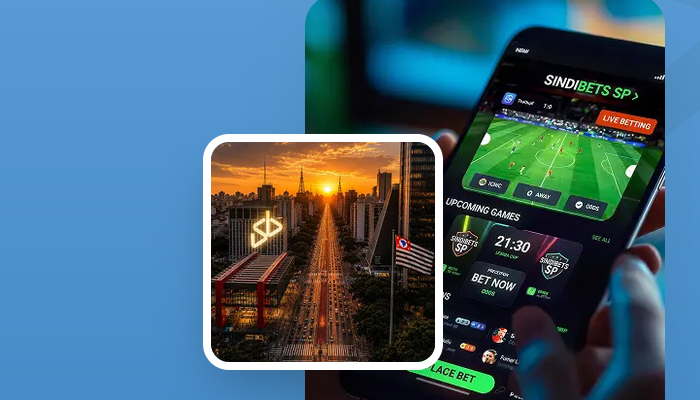
Brazil has shut down sports betting platforms and online casinos, along with their advertising, after President Luiz Inácio Lula da Silva ordered a ban that took effect on October 6. For high-risk operators, the useful bit is simple: when a major market flips from liberalization to prohibition, sponsorship revenue disappears fast and the legal-vs-illegal line gets rewritten in real time.
On September 25, nine days before the election, Lula announced the ban on sports betting and online casinos, comparing them to “a cancer.” The measure took effect the same day, with a deadline of October 6 for a full wind-down. It was issued as a provisional decree, which must be approved by Congress to remain in force beyond 120 days.
Betting companies and their associations pushed back immediately, warning that the ban will drive users into a clandestine market where they will not have protection. The government says it will step up enforcement against illegal platforms.
The football sector is the other obvious casualty. Since sports betting was liberalized in 2018, online bookmakers became the biggest sponsor of Brazilian football, with logos on most clubs’ shirts, sponsorship of tournaments, stadium naming rights, and television broadcasts. At least 13 of the 20 teams in Brazil’s top division had commercial agreements worth an estimated 1,000 million reais (about 200 million dollars) a year in total.
Flamengo, the country’s most popular team, said the ban hits professional football, grassroots football, women’s football, and even Olympic sports “in full.” That matters because in high-risk markets the sponsorship stack is often doing double duty: brand visibility for operators, and budget support for clubs that have come to depend on the money.
Three days after Lula’s announcement, sector companies asked the Supreme Court to suspend the ban, citing “irreversible effects” and arguing that it destroys the rights of operators that, in good faith, relied on the state’s regulatory promises under the 2023 law that granted licenses. On the same day, the government removed 506 websites offering sports betting irregularly.