Home
/
news
/
Brazil’s parliament gets a bill for a total iGaming ban as Philippines, Ontario, Russia, Turkey, Kazakhstan and Kalshi make the payments-risk list
news
Brazil’s parliament gets a bill for a total iGaming ban as Philippines, Ontario, Russia, Turkey, Kazakhstan and Kalshi make the payments-risk list
This one is a mixed bag, but the common thread is obvious: governments and regulators are tightening the screws where money, gambling, and payment rails meet. For PSPs, acquirers, and banks, the useful question is not “what happened?” but “which jurisdictions just became harder to touch?”
- A deputy from Brazil’s opposition Liberal Party introduced a bill in parliament for a complete ban on iGaming. For anyone underwriting gaming exposure in Latin America, that is the sort of legislative move that can change the risk picture fast, even before anything is passed.
- In the Philippines, authorities arrested a 29-year-old South Korean national for running 23 iGaming sites. The syndicate allegedly made more than $3.8 billion over 8 years of operation, which is the kind of scale that usually leaves a long trail through payment processing, settlement, and account funding.
- Ontario’s regulator fined Booming Games $50,500 over an auto-play function in slot games. It is a small number in absolute terms, but the signal is familiar: product features inside gaming content can still trigger regulatory action, so content compliance is not just a legal box-tick.
- From 1 September, Rosfinmonitoring will get direct access to transfer data for payments made through SBP and Mir cards. For Russian payment flows, that means more transparency at the state level over rails that are widely used in domestic transactions.
- In Turkey, 39 suspects were detained in a case tied to the financial infrastructure of illegal gambling platforms with a turnover of $67 million. That is the part PSPs care about: enforcement is not only aimed at operators, but at the people and systems moving the money.
- In Kazakhstan, 279 alimony debtors spent 600 million tenge ($1.31 million) on bets and withdrew 415 million ($900 thousand) from gaming accounts. That is a neat reminder that source-of-funds and affordability controls are not academic concepts; regulators tend to notice where gambling spend and personal liability collide.
- Kalshi has traded almost three times more than Polymarket since the start of the year. For the prediction-market crowd, that is a useful benchmark on where liquidity is forming, and for payment providers it is another sign that these products are moving from niche experimentation into something with real volume.
Related news
All news →
news
Kazakhstan anti-fraud center blocks 4 billion tenge in bank accounts

news
Flutter cuts up to 1,400 UK&I jobs as tax rises hit Leeds and Dublin under Dan Taylor
news
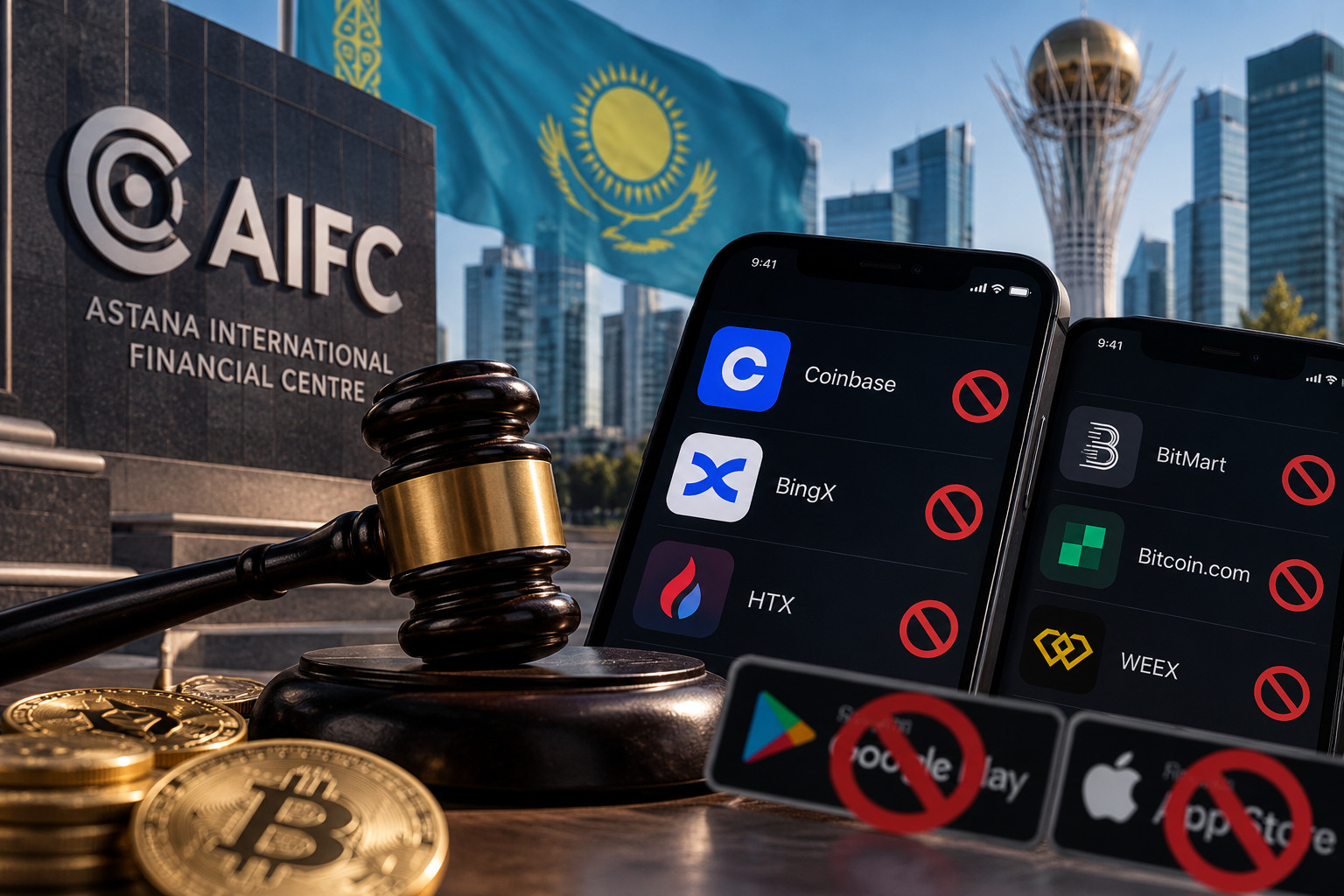
Astana IFC Court bans six crypto platforms from operating without a licence in Kazakhstan, with app store restrictions to follow
Weekly high-risk digest
Regulation, sanctions and payment news across your verticals — once a week, free.
Please check your inbox and click the link to confirm your subscription.
Please enter a valid email address!