Home/news/Editorial: My party is gambling, and the PT has never been on its side
news
Editorial: My party is gambling, and the PT has never been on its side
Payments High Risk
24 Oct 2026 · 2 min read
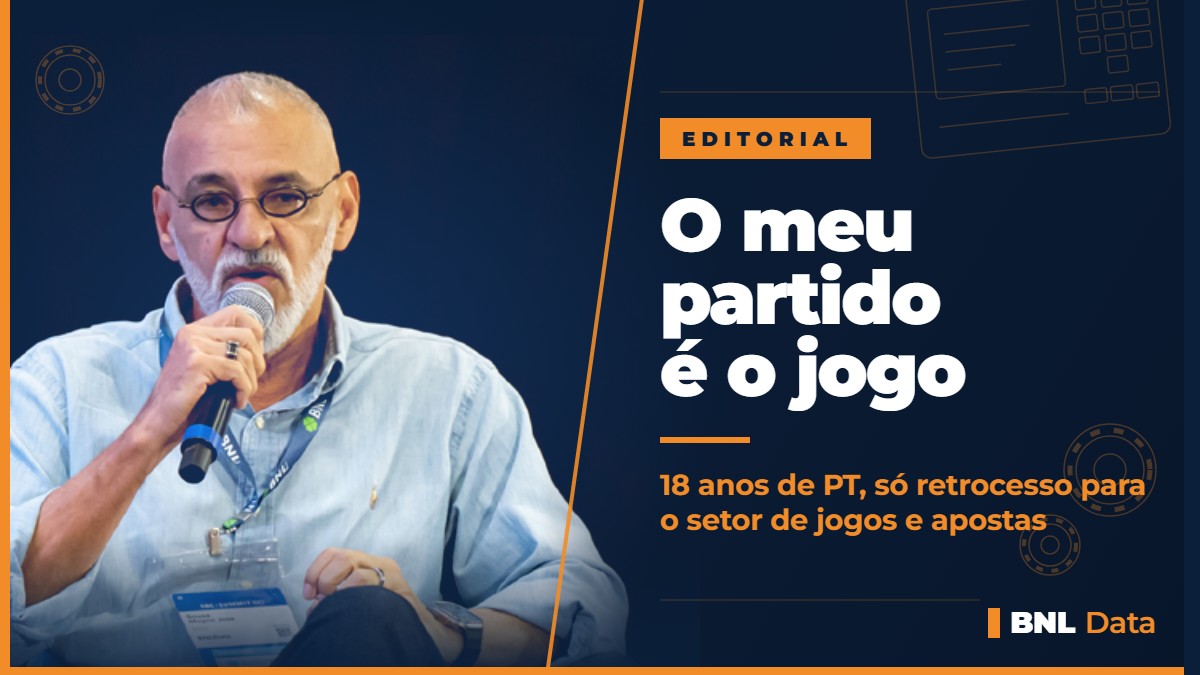
Magnho José argues that Brazil’s Partido dos Trabalhadores (PT) has repeatedly used gambling as a political pressure valve, from the 2004 bingo crackdown to the recent move against fixed-odds betting. For operators and PSPs, the point is simple: in Brazil, regulation can move forward and then be knocked off course fast enough to make underwriting look like guesswork.
José says he has spent 30 years working to pull gambling out of the shadows and into a legal, regulated market. He says he supported Lula in the past, but will not vote for him again, because in his view the PT has never backed the sector when it mattered.
The first major rupture came in 2004, after the Waldomiro Diniz scandal reached the heart of the government in the Casa Civil of José Dirceu. The government responded with Provisional Measure 168, which banned bingos overnight. José says about 120,000 people lost their jobs. The Senate rejected the measure, but the damage was already done, and the Supremo Tribunal Federal later closed the door on state lotteries operating bingo through its ruling on the Loteria Social do Distrito Federal.
He says the pattern was then repeated through the next 18 years. Lula’s 12 years in office and Dilma’s six brought no sectoral advance, while meaningful progress came elsewhere: under Michel Temer, Law 13.756/2018 created fixed-odds betting; in 2022, under Arthur Lira, the Chamber approved PL 442/91, which had been stuck since 1991. Jair Bolsonaro, he adds, did not help the sector, but also did not actively block it.
Under Lula’s current term, José points to one concrete step: the approval of the legal framework for gambling in the CCJ of the Senate under then-president Davi Alcolumbre. After that, the bill stalled in the plenary. His explanation is political, not procedural: in his view, the environment around gambling was poisoned from the Planalto Palace itself.
He says Law 14.790/2023 had opened a promising cycle for the regulated market. In less than two years, he argues, the sector had matured around self-exclusion, KYC (know your customer), underage controls, anti-money laundering measures, and rising tax collection. Then Lula issued the provisional measure banning bets, and the market moved aggressively into illegality. José says Brazil has effectively gone back to December 2024, when gambling was allowed but not regulated, and that the scale of illegal supply now on the market is so large that even if legal operations are restored, the market will not be the same.