Iran uses crypto and looser FX rules to keep trade moving under US sanctions
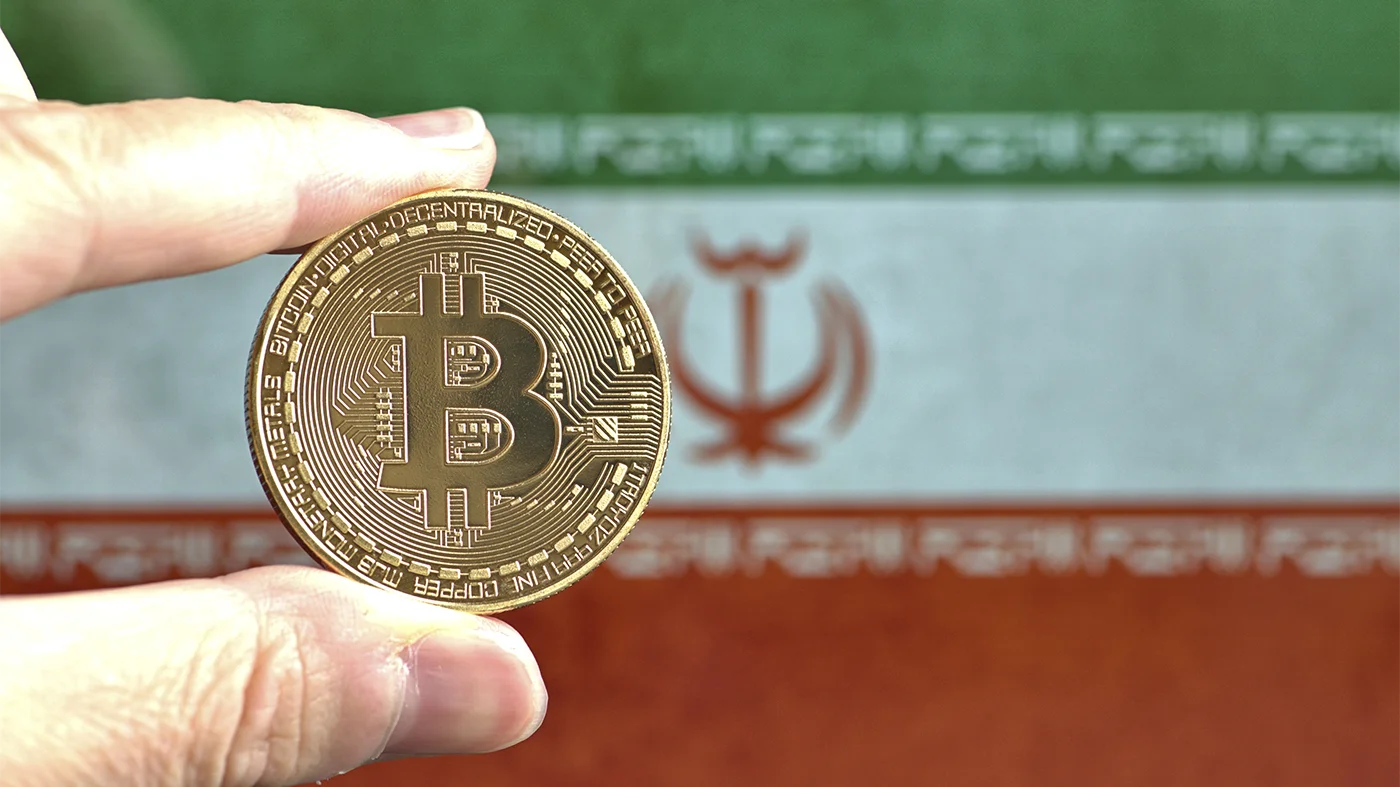
Iran is leaning harder on cryptocurrencies and a looser foreign-exchange regime to keep cross-border payments moving as US pressure tightens. For high-risk PSPs, the point is not the geopolitics; it is that sanctioned trade flows keep migrating into channels that are harder to screen, trace, and block in a standard fiat stack.
- Financial Times reports that Iranian authorities have quietly softened strict currency controls as they try to protect trade flows under war and blockade. Iran has been largely cut off from the global financial system for years, and the state has long imposed tight restrictions on importers and exporters to control foreign-currency circulation.
- That system left companies with undeclared revenues inside and outside Iran. According to judicial authorities, the total exceeds $100 billion.
- In recent months, the Central Bank has reportedly been encouraging traders to bring funds back into the country “by any available means.” Sources cited by the report say cross-border settlements through Iranian crypto exchanges now use digital assets, mainly Tether, as well as bitcoin.
- The more permissive setup also lets traders exchange foreign currency on the country’s large open market instead of using state-set rates. Export proceeds can now be directed straight into import financing without passing through the official currency system.
- A businessman close to the authorities said the Central Bank does not ask how the money was transferred, and that receiving export payments in crypto has become “completely normal” since the war began in February, when the US and Israel started fighting. The Central Bank declined to comment.
For payment providers, the useful detail is that the US Treasury is now explicitly flagging digital assets in this Iran context, warning counterparties that “the Iranian regime increasingly turns to cryptocurrency as a preferred tool to evade sanctions.” Washington has also said it plans sanctions against Egyptian and Turkish banks, along with companies linked to Iranian aviation.
Related news
All news →

Weekly high-risk digest
Regulation, sanctions and payment news across your verticals — once a week, free.
Please check your inbox and click the link to confirm your subscription.
Please enter a valid email address!