RedCompass Labs: 72% of banks are planning stablecoin capabilities, but only 10% have them live in production
New RedCompass Labs research says banks are moving on stablecoins fast enough to create a readiness problem: 72% are actively planning, building, piloting or operating capabilities for their own payment stablecoin, but only one in ten has those capabilities live in production. For PSPs and banks, the practical message is simple: the commercial case is forming, but the infrastructure is still catching up.
- RedCompass Labs surveyed 300 senior payments professionals across Europe, the UK and the US for its report, “Are banks actually ready for digital money?” The report looks at where digital assets such as stablecoins are most likely to gain traction, and what is still missing on the infrastructure, operational and control side.
- More than half of respondents (57%) expect their organisation to build new infrastructure or materially upgrade existing systems to support stablecoins or tokenised deposits. The thing is, this is not just a product decision: 80% say they plan to use AI agents to analyse, develop and test the system upgrades needed to support digital money.
- Banks are already pricing in balance-sheet and flow effects. Four in ten (40%) expect deposit outflows over the next three to five years, while 72% expect an average of 8% of existing payment flows to move onto digital-asset rails. RedCompass Labs notes that with global cross-border payment flows estimated at $208 trillion in 2025, even a small migration can move a very large amount of value.
- The biggest commercial concern is having to run parallel systems: 26% cited the cost of maintaining legacy and digital infrastructure side by side. That was followed by deposit outflows to digital-money alternatives at 21%, dependence on third-party infrastructure at 18%, and the loss of corporate payments clients or payment volumes and revenue at 17% each.
- On paper, issuance gets the headlines; in practice, the first use case may be cross-border settlement. Nearly a third (31%) expect that to be their institution’s first interaction with stablecoins. At the same time, banks say the main blockers are regulatory uncertainty at 35%, integration complexity at 32%, and reserve and liquidity concerns at 31%.
The UK stands out in the data. Some 20% of UK respondents have their own stablecoin capabilities live in production, and 22% are live with third-party stablecoins, roughly twice the global averages. The broader service stack is also expanding: 60% are building or already offering treasury, foreign exchange and liquidity services for digital assets, while more than half are developing distribution, embedded payments, on and off ramps, and custody or reserve management.
Santhosh Kumar, Partner and Head of Payments at RedCompass Labs, said: “Banks clearly believe stablecoins are moving into the mainstream, but most are still some distance from being ready.”
Related news
All news →
Brazil’s 2026 presidential campaign turns betting into a fiscal issue, with six camps split on taxes, ads, and outright bans

Brazil’s SPA/MF warns licensed sportsbooks on beneficiary identification before offering bets
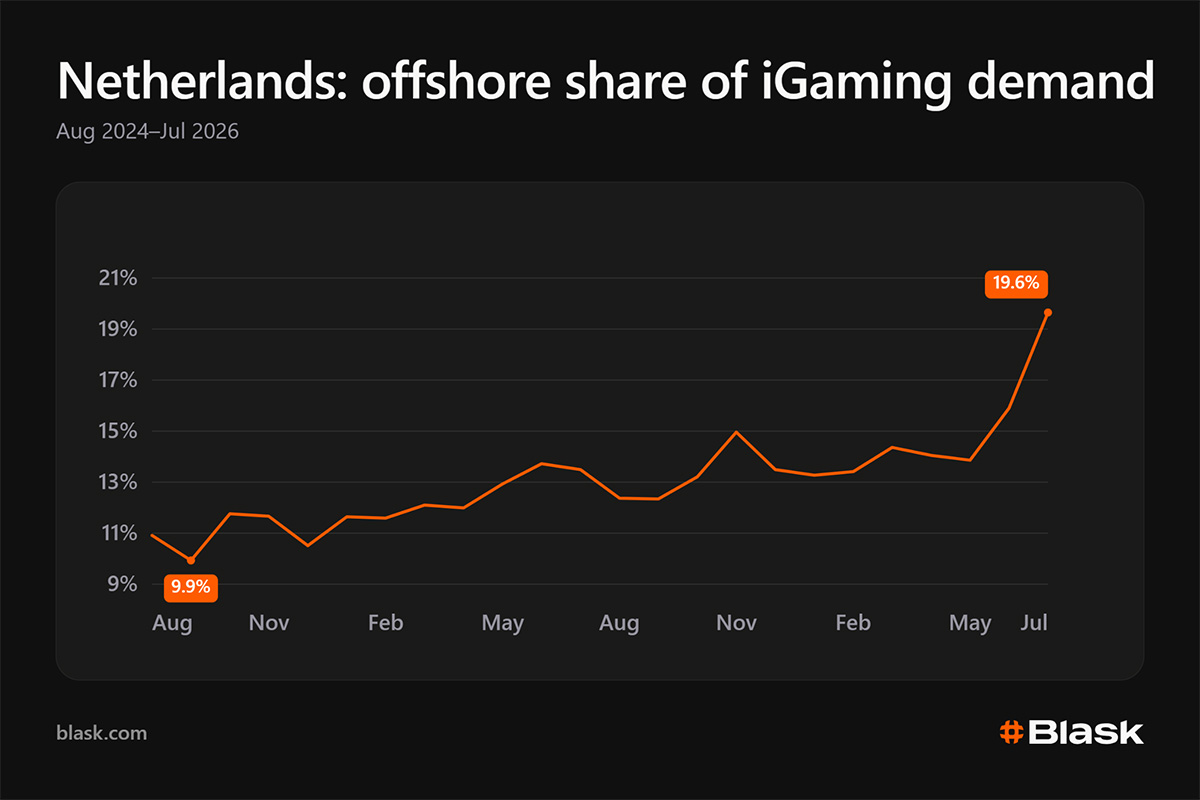
Dutch iGaming demand shifts toward offshore brands as Blask tracks July 2026 market changes
Weekly high-risk digest
Regulation, sanctions and payment news across your verticals — once a week, free.
Please check your inbox and click the link to confirm your subscription.
Please enter a valid email address!