Brazil freezes BRL 3.48 billion in illegal betting case, Bulgaria backs near-total gambling ad ban, and Russia targets KiberPay founder
This week’s roundup is less about “market trends” and more about regulators and courts tightening screws on the payments and acquisition side of high-risk business. If you run PSP, acquiring, or a payment stack touching iGaming, the list below is the part that matters: freezes, ad bans, account closures, and criminal exposure.
- A Brazilian court froze BRL 3.48 billion in a case involving illegal betting. For high-risk operators and their payment partners, that is the kind of number that tends to get everyone’s compliance team reading the same file twice.
- In Equatorial Guinea, all bookmakers were reported closed after an inspection by the gendarmerie. That is a clean example of what happens when the state moves from monitoring to enforcement: the operating channel disappears first, and payments follow.
- Binance identified a new vulnerability in iOS. For payment and crypto teams, the operational takeaway is simple: mobile-device risk does not stay in the security team’s inbox for long when funds, wallets, and account access are on the same handset.
- Brazil’s Ministry of Justice began going after influencers for advertising iGaming. That matters because the ad supply chain is often where regulated payments and unregulated acquisition start to overlap, and authorities are now paying attention to that overlap.
- Brazilian media also reported that a former Parimatch executive invested in a non-existent AI startup. Bulgaria’s cabinet approved an almost complete ban on gambling advertising. In Russia, a court handed down a sentence to the founder of the payment service KiberPay, and there was also a proposal to ban foreign QR codes in the fight against online casinos. Different stories, same direction: advertising, onboarding, and payment rails are all being scrutinized at once.
The useful part for high-risk operators is not the headline drama. It is the pattern: jurisdictions are willing to hit payments, promotion, and intermediary services together, which means a PSP or acquiring partner can no longer treat them as separate risk buckets.
Related news
All news →
Court rulings involving online betting platforms in Brazil jump 122% before MP 1.394 ban
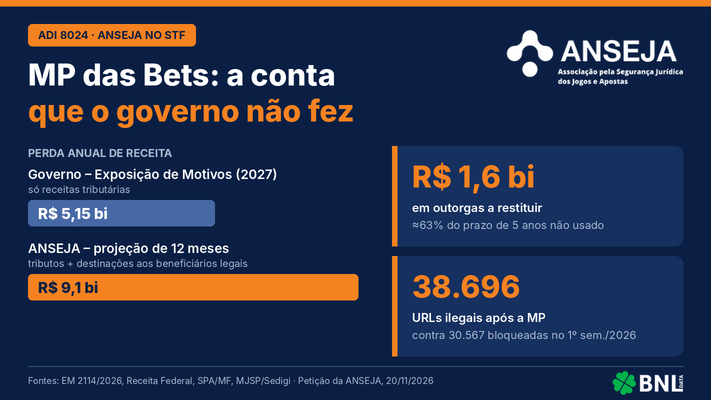
ANSEJA uses AGU’s own data to argue in Brazil’s Supreme Court that the Bets MP made the illegal market grow

Brazil counts more than 60,000 records tied to illegal betting promotion as fake sites clone licensed brands
Weekly high-risk digest
Regulation, sanctions and payment news across your verticals — once a week, free.
Please check your inbox and click the link to confirm your subscription.
Please enter a valid email address!