Netherlands gambling ad ban could hand more room to illegal operators, experts warn
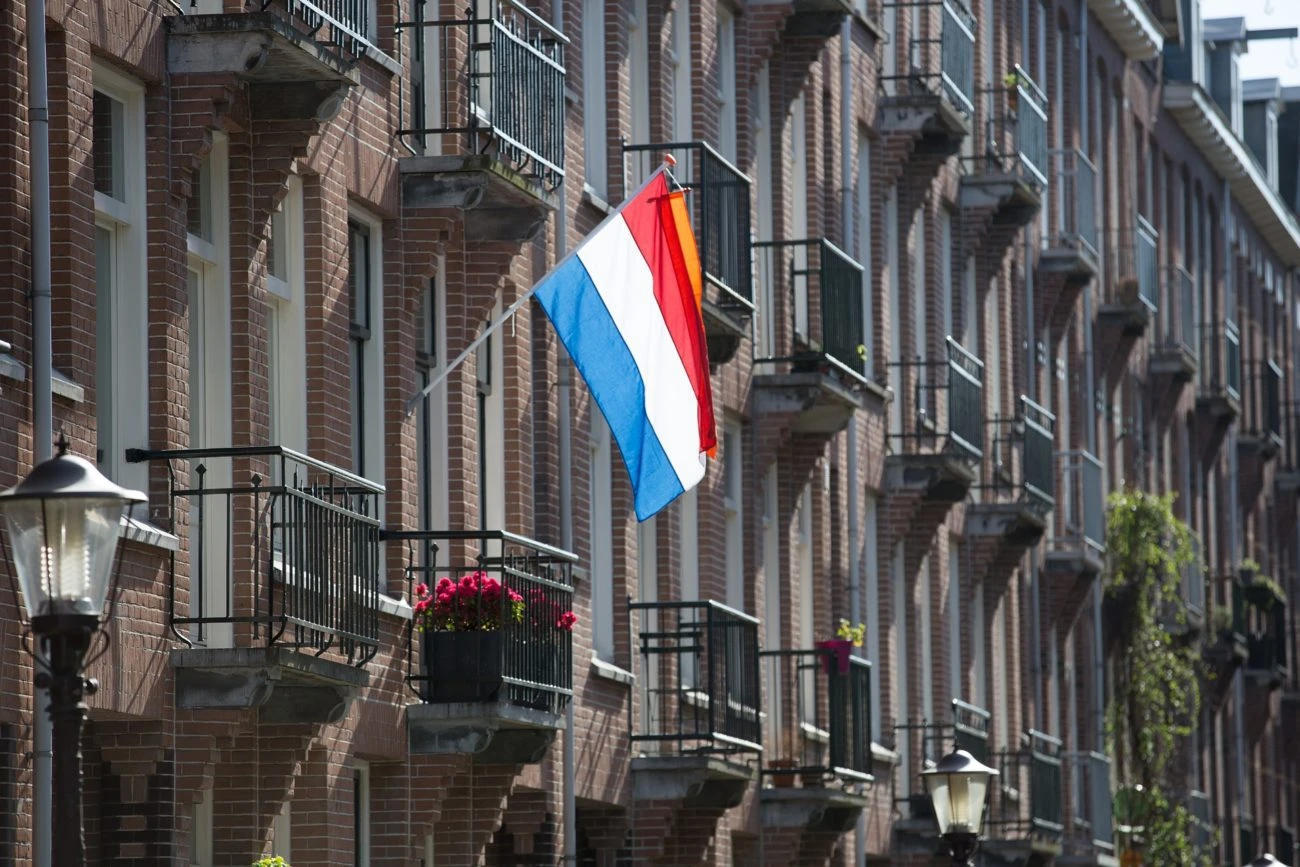
The Dutch government is moving toward a near-total ban on online gambling advertising, but industry lawyers and market watchers say the more likely outcome is a bigger black market, not lower gambling activity. For licensed PSPs, acquirers, and operators, the point is simple: the Netherlands is shifting from channelisation toward harm prevention, and the commercial math is getting worse.
- In June, the cabinet proposed a near-total ban on online gambling advertising, with only narrow exceptions. The package prepared by Claudia van Bruggen, state secretary for legal protection, also includes an end to sign-up bonuses such as free bets, an overarching deposit limit across all operators, a strengthened
CRUKSself-exclusion register, and a promised clampdown on illegal activity. - The move follows a sequence of earlier restrictions. The Netherlands already banned role models from gambling adverts, prohibited untargeted advertising from July 2023, and outlawed sports sponsorship from July 2025. Each step was presented as sufficient at the time; officials now say those measures did not reduce public exposure enough.
- Justin Franssen, partner at Amsterdam gaming law firm Franssen Tolboom, says the original regulatory goal has changed. When the Dutch online market opened in 2021, the aim was channelisation — steering players toward licensed, supervised operators. “Yes, I think it has — and actually, not even that quietly,” he said of whether that objective has been abandoned. “The new mantra is the prevention of gambling harm.”
- The numbers already point in the wrong direction for licensed operators. The
KSAhas acknowledged that the legal market’s share of gross gaming revenue fell to roughly 49% in early 2025. Trade bodies last year put the black market at around a quarter of all Dutch gambling activity. Licensed operators blame a gaming tax now at 37.8% of GGR and the advertising restrictions that are now being tightened further. - Franssen says there is no evidence that a total ad ban will work better than the partial bans already in place, and he notes that the KSA itself has expressed concerns about a total ban and advised against it. For PSPs and acquirers, that matters because a tighter legal market with a larger illegal one usually means more compliance pressure on licensed flows and less visibility over where demand migrates next.
The Netherlands is being compared with Denmark and Italy, both of which went further down the road of advertising prohibition. The warning from people watching the market is blunt: if legal operators lose reach while illegal operators keep selling, the state gets less channelisation and more nuisance.
Related news
All news →
Weekly high-risk digest
Regulation, sanctions and payment news across your verticals — once a week, free.
Please check your inbox and click the link to confirm your subscription.
Please enter a valid email address!