SOFTSWISS panel flags Brazil’s betting ban and Mexico’s 50% tax as a Latin America warning shot

SOFTSWISS hosted a live panel on how operators and suppliers should approach Latin America after Brazil’s recent ban on fixed-odds betting. The message from the room was blunt: what happened in Brazil is not just a Brazil problem, and Mexico’s tax hike from 30% to 50% from 2026 adds another layer of pressure on market economics.
- The panel was moderated by Miranda Guliashvili, Head of Regional Growth at SOFTSWISS, and featured Leonardo Benites, CEO of Propane iGaming Agency; Fernando Saffores, Founder and CEO of Focus Gaming News; Enrique Manjarrez, Commercial Director at Novomatic; and Heathcliff Farrugia, Chief International Relations Officer at SiGMA World. The conversation focused on what Latin American operators and PSPs should do when regulation shifts faster than commercial planning.
- Panellists framed Brazil as a warning for the wider region. Their point was straightforward: restrictions do not remove player demand. In practice, they can push activity toward unlicensed operators, which reduces player protection and cuts into government tax revenue. Leonardo Benites said the industry needs to engage with public opinion before other actors define the story for it.
- Mexico was the other pressure point. The panel said the special tax on bets and sweepstakes, IEPS, rose to 50% from 2026, up from 30%. That change matters because it directly affects the economics of acquisition, retention and margin. For operators and payment providers, a tighter tax stack usually means every payment flow has to work harder to justify itself.
- The regulatory backdrop in Mexico remains part of the problem. The country’s gambling framework is based on the Federal Law on Games and Raffles, enacted in 1947, with implementing regulations introduced in 2004 and amended in 2023. Those rules allow authorised establishments to accept bets online, but they do not comprehensively cover the wider iGaming sector, which is exactly the kind of gap that creates uncertainty for operators and suppliers.
- Enrique Manjarrez said the tax change should force companies to reassess their commercial models, including the balance between player acquisition and retention. He also pointed to player tracking, informing and protecting players, and measuring customer lifetime value. For suppliers, that is the practical test: if the model only works on acquisition volume, it is usually too fragile for this region.
The broader takeaway for companies expanding across Latin America is that market-specific planning is no longer optional. Operators, PSPs, local associations and other stakeholders need to stay aligned on regulatory shifts, because in this business the rulebook can change before the commercial model does.
Related news
All news →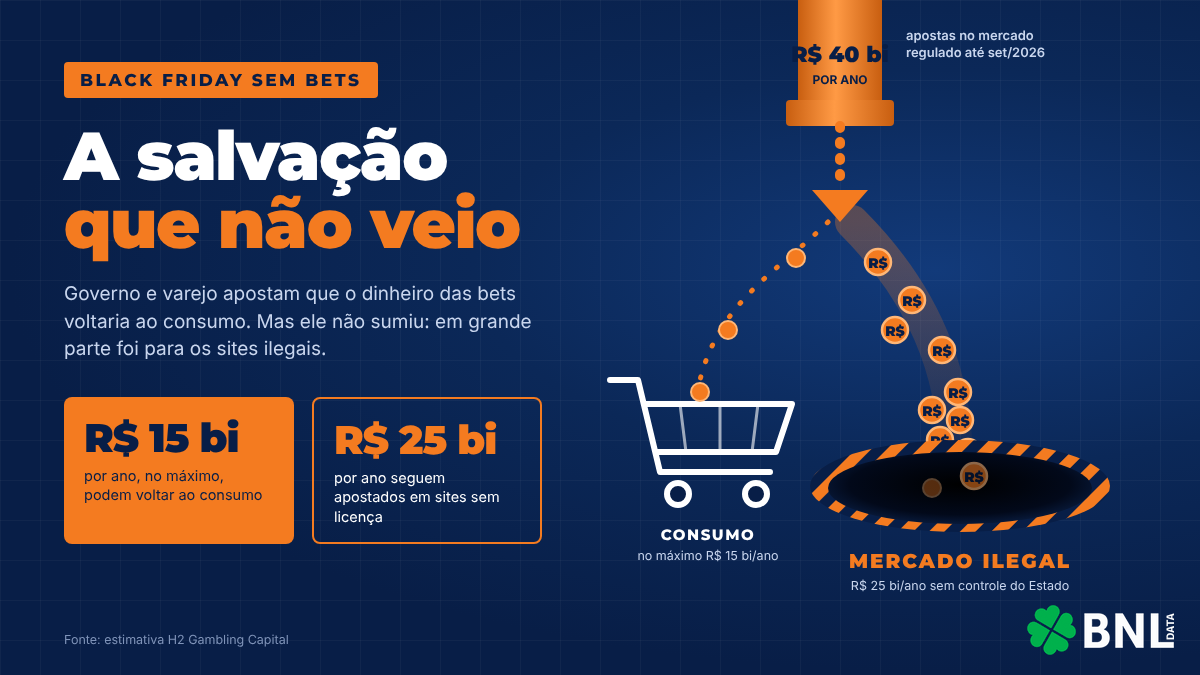


Weekly high-risk digest
Regulation, sanctions and payment news across your verticals — once a week, free.
Please check your inbox and click the link to confirm your subscription.
Please enter a valid email address!