Brazil’s Supreme Court debates the Bets Law and the risk of pushing online betting underground

The Brazilian Supreme Federal Court (STF) has reopened the fight over how far online betting regulation can go in Brazil. For PSPs and operators, the useful part is not the constitutional theory; it is the practical question of whether tighter rules will keep traffic in the licensed market or push it into unregulated platforms.
- In comments to Diário do Poder, lawyer and researcher Ricardo de Souza Mello Filho argued for what he called a “conditioned constitutionality” for online betting: not a free pass, but not a ban either. His position is that Brazil should improve the current framework, add safeguards, and intensify enforcement against clandestine platforms.
- The case is being heard in ADI 7721, reported by Justice Luiz Fux. Fux has already held a public hearing on the impact of online betting, and in an interim decision the STF restricted betting advertising aimed at children and adolescents and banned the use of social program funds for betting.
- On Thursday (6/8), the STF Plenary suspended its review of an appeal over the validity of a 1941 law that bans the operation of games of chance. Justice Flávio Dino asked for more time so the Court can decide the issue together with other actions covering different forms of gambling, including bets, and set a broader legal thesis.
- Ricardo said the debate spans mental health, advertising, economic vulnerability, money laundering, and sports integrity, which is why he считает a more demanding regulatory model is needed. In his view, the Court should not choose between full constitutionality and unconstitutionality, but build a more conditional form of constitutionality that better protects fundamental rights.
- His core warning is operational, not rhetorical: banning the legal market does not remove demand, it redirects users to platforms without proper oversight, transparency, or accountability. He said the judgment should strengthen anti-money-laundering controls, responsible gaming policies, operational limits for vulnerable users, and tougher advertising rules, while hitting the illegal market harder.
For high-risk payment players, the signal here is straightforward. Brazil is not debating whether betting demand exists; it is debating how much of that demand the state can keep inside the licensed perimeter before it spills into the clandestine one.
Related news
All news →
Russia’s Crypto Exchange Market Is Moving Into a Transition Period, and Three Paths Are Left for Operators
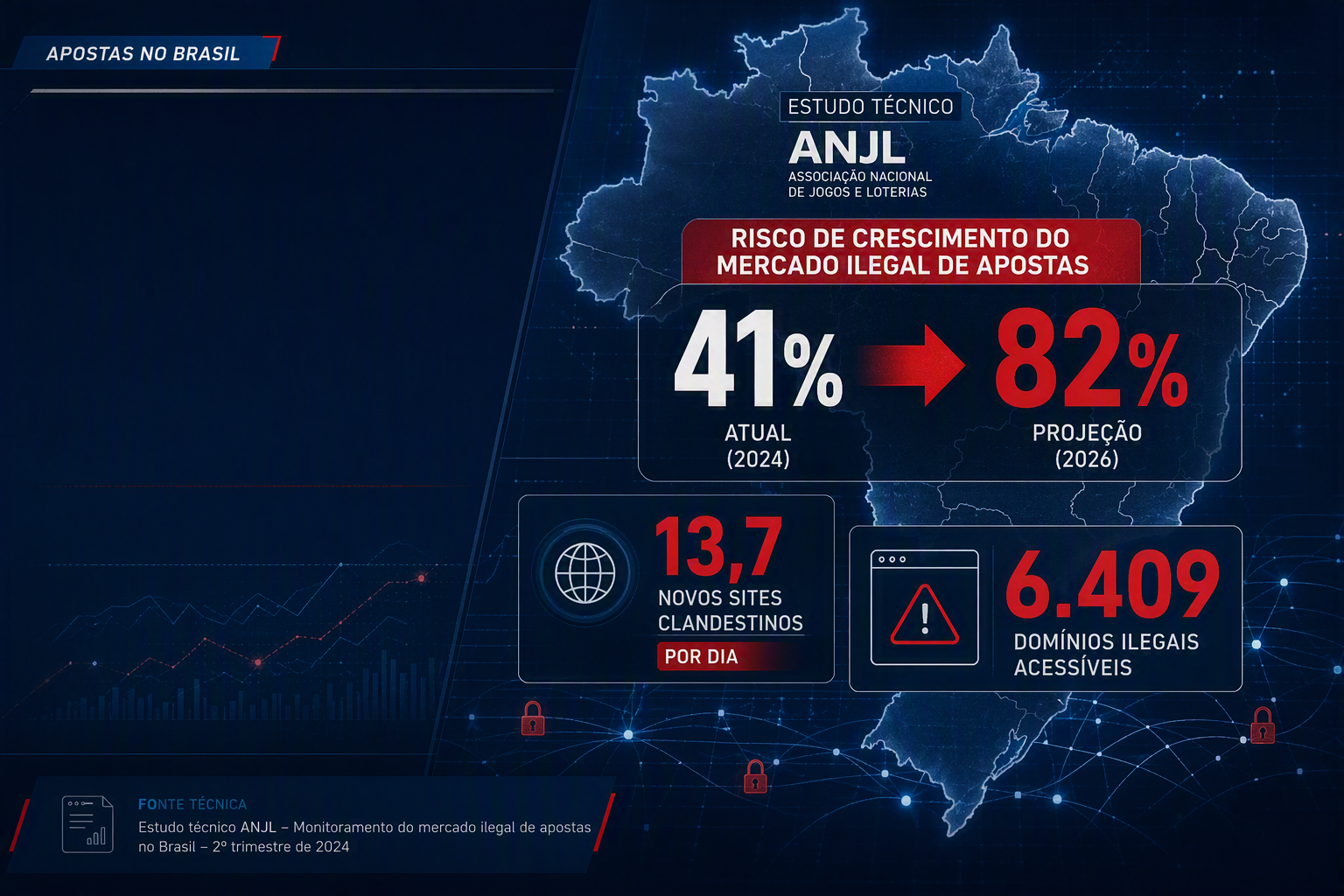
Brazilian betting ban could push illegal gambling share from 41% to 82%, ANJL says

Altenar and Pragmatic Solutions have been working together since 2023, with live operators in Brazil, Canada and Europe
Weekly high-risk digest
Regulation, sanctions and payment news across your verticals — once a week, free.
Please check your inbox and click the link to confirm your subscription.
Please enter a valid email address!