Lottoland and the limits of German gambling enforcement
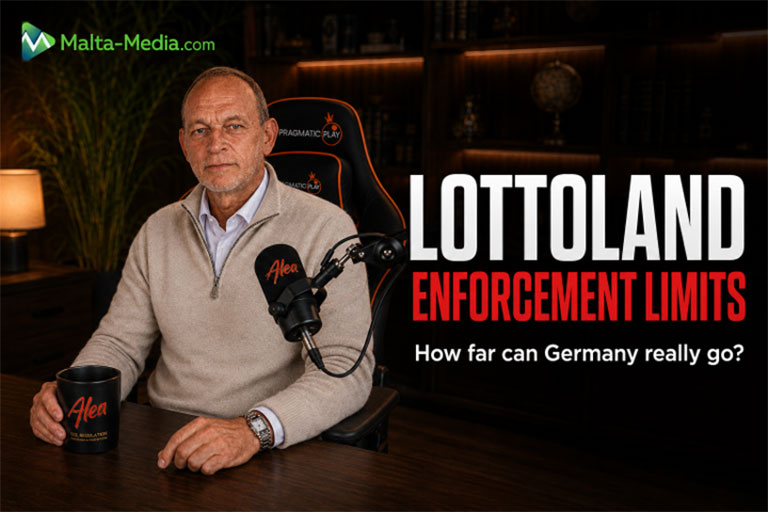
Lottoland has become one of the clearest stress tests of German gambling enforcement: the same regulator that can shut down a domestic operator can spend years trying to pin down a known cross-border target. For PSPs and acquirers, the interesting part is not the headline fine print; it is the mismatch between what Germany can do to licensed local businesses and what it has been able to do to an international brand.
- German authorities have known the international Lottoland business for years, publicly described parts of its offer as illegal, used prohibition measures, payment blocking and technical restrictions, and still maintain consumer guidance explaining why the international site is not permitted in Germany.
- At the same time, Lottoland Deutschland GmbH now operates legally as a licensed commercial lottery intermediary. That makes the case useful for anyone watching market access: one brand can sit outside the legal perimeter while a separately licensed German entity operates inside it.
- The contrast becomes sharper with Bet3000. On 24 July 2024, the GGL revoked IBA Entertainment Limited’s permission and ordered immediate enforcement. The revocation was not based on allegations of organised crime, money laundering or illegal bookmaking; it centered on LUGAS (the German limit and activity-file system), technical monitoring, and the authority’s conclusion that the failures showed insufficient reliability and expertise.
- The legal tools are not identical, and that matters. A licence revocation, illegal-market enforcement and a licensing assessment do not use the same powers or evidentiary thresholds. But the practical result is still hard to miss: Germany moved all the way to the end of the enforcement ladder against Bet3000, while the Lottoland case has produced years of measures, warnings and legal complexity without the same permanent commercial outcome.
- The GGL’s own history shows that Lottoland was not a late discovery. In October 2022, the authority publicly described international Lottoland offers as illegal and referred specifically to the group’s German-facing activity. The broader point for high-risk PSPs is simple: in Germany, the enforcement pressure is strongest where the regulator already has a firm local grip, and weaker when the target can shift domains, payments, hosting and corporate structure across borders.
That is the part payment providers should care about. A market can look strict on paper and still leave room for cross-border operators to keep moving, while licensed domestic players face immediate and concrete action. If you are underwriting German-facing gambling traffic, the enforcement asymmetry is the story.
Related news
All news →
Altenar and Pragmatic Solutions have been working together since 2023, with live operators in Brazil, Canada and Europe

Oddsgate to host September 23 webinar on Brazil’s changing iGaming regulation

AI-generated Instagram ad uses Alphonso Davies’ family to push unlicensed Oxibet casino in Alberta
Weekly high-risk digest
Regulation, sanctions and payment news across your verticals — once a week, free.
Please check your inbox and click the link to confirm your subscription.
Please enter a valid email address!