UK sanctions Cryptomus, Heleket, VexPay, TokenSpot and Tsunami Payments over Russia-linked crypto flows
The UK has added five crypto platforms and Tsunami Payments to its sanctions list, alongside 38 people and entities tied to Russian oil trading, financial networks, and military supply chains. For high-risk PSPs, the interesting bit is not the headline count; it is the allegation that some of these rails were used to move funds for A7 and the ruble stablecoin A7A5.
- Under the new measures, Cryptomus, Heleket, VexPay, TokenSpot, and Tsunami Payments were sanctioned. In the notice, Cryptomus and Heleket are described as entities linked to Xeltox Enterprises, VexPay is linked to the Russian company Processing KG, and TokenSpot is linked to the Russian company TokenSpot.
- The UK authorities suspect that two of the listed companies processed transactions or helped operations related to the Russia-linked A7 network and the ruble stablecoin A7A5. The document also says that some of the restricted financial platforms are connected to Kyrgyzstan, although it does not specify which ones.
- Alongside the crypto platforms, the UK sanctioned 38 individuals and organizations connected to Russian oil trade, financial networks, and military supply chains. That puts these names in the same enforcement package, which matters for PSPs because it signals the UK is treating crypto rails and conventional trade-finance structures as part of the same sanctions problem.
- This is not the first time Kyrgyz-linked crypto infrastructure has been in the UK’s crosshairs. In 2025, the UK sanctioned the Kyrgyz-linked exchanges Grinex and Old Vector over suspected ties to the A7A5 infrastructure. At the time, British officials said more than $9.3 billion had been moved in four months using the ruble stablecoin.
- There is also a US angle. On 1 October, the US Treasury said A7 was a “shadow banking structure” used by Iran to evade sanctions, and OFAC designated A7 as a “significant transnational criminal organization.”
The Kyrgyzstan spillover is worth watching. Authorities there reportedly had to wind down development of the national USDKG stablecoin project, which was to be backed by the country’s gold reserves, after the A7A5 token registration and the surrounding sanctions pressure.
Related news
All news →Weekly iGaming licensing roundup: New Zealand advances 11 bidders, Wildz gets Finland’s first online licence, and Louisiana delays DraftKings renewal

Visa and Mastercard face £700 million UK claim over post-Brexit EEA card fees
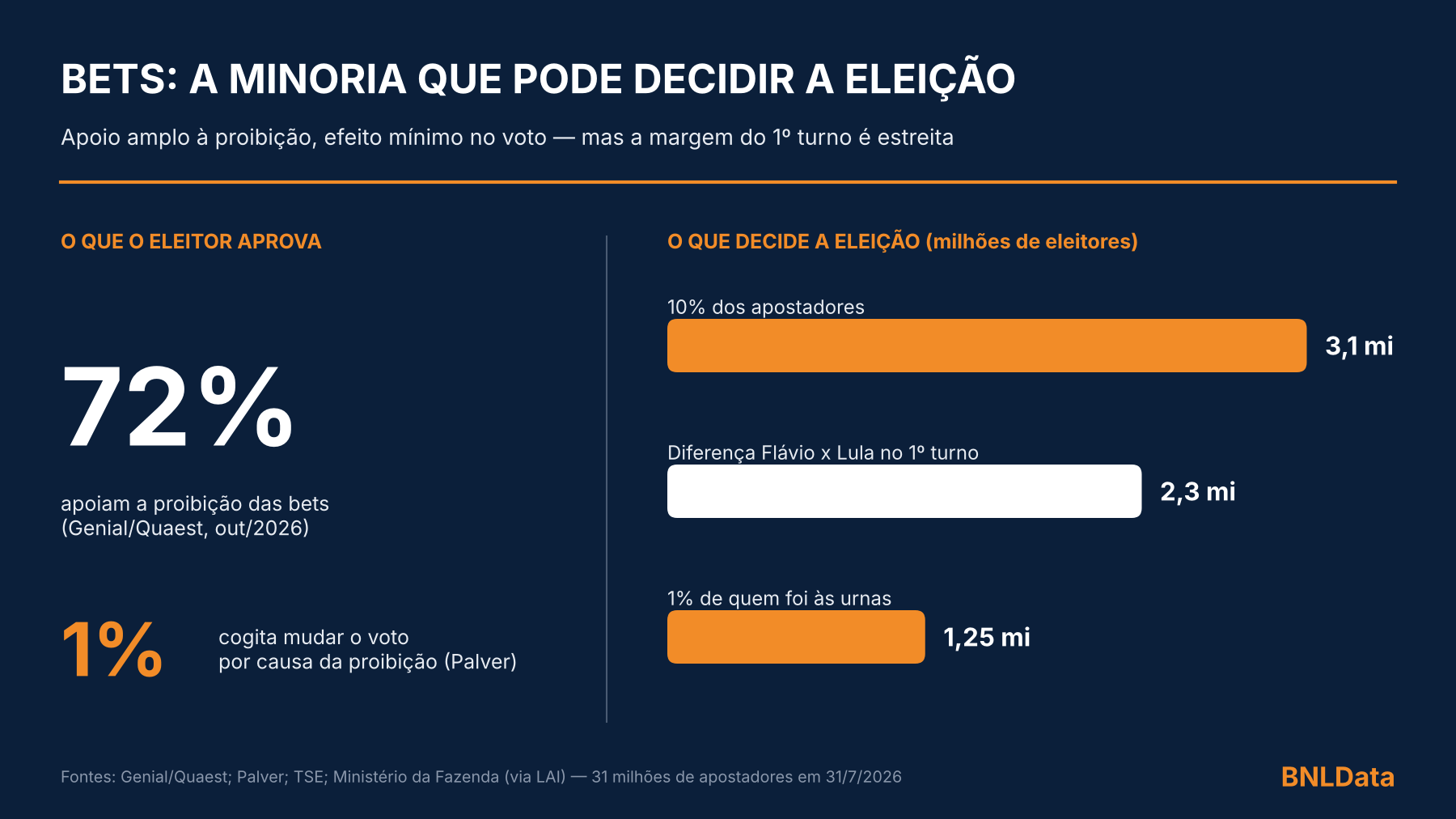
Bets Ban Has Broad Support in Brazil, but the Voting Effect Looks Small — and That Still Matters in a Tight Race
Weekly high-risk digest
Regulation, sanctions and payment news across your verticals — once a week, free.
Please check your inbox and click the link to confirm your subscription.
Please enter a valid email address!